Walk into any storeroom in Pettah in July and breathe in. That musty smell is money leaving the building.
Businesses in Sri Lanka rarely have a budget line called “humidity”. They have lines called wastage, repairs, returns, write-offs and — for hotels — reviews. A surprising amount of each can be traced back to the same cause: air that holds 80% of all the water it can.
What does humidity cost a business?
High humidity damages stock through mould, caking and corrosion; damages equipment through rust and condensation; damages buildings through damp and peeling finishes; and damages customer experience through musty smells and sticky, uncomfortable rooms. Individually these look like small, unrelated losses. Together they are a recurring cost that dry air can cut.
Humidity rarely appears on a balance sheet under its own name. It hides under “wastage”.
Sector by sector
Warehouses and stores
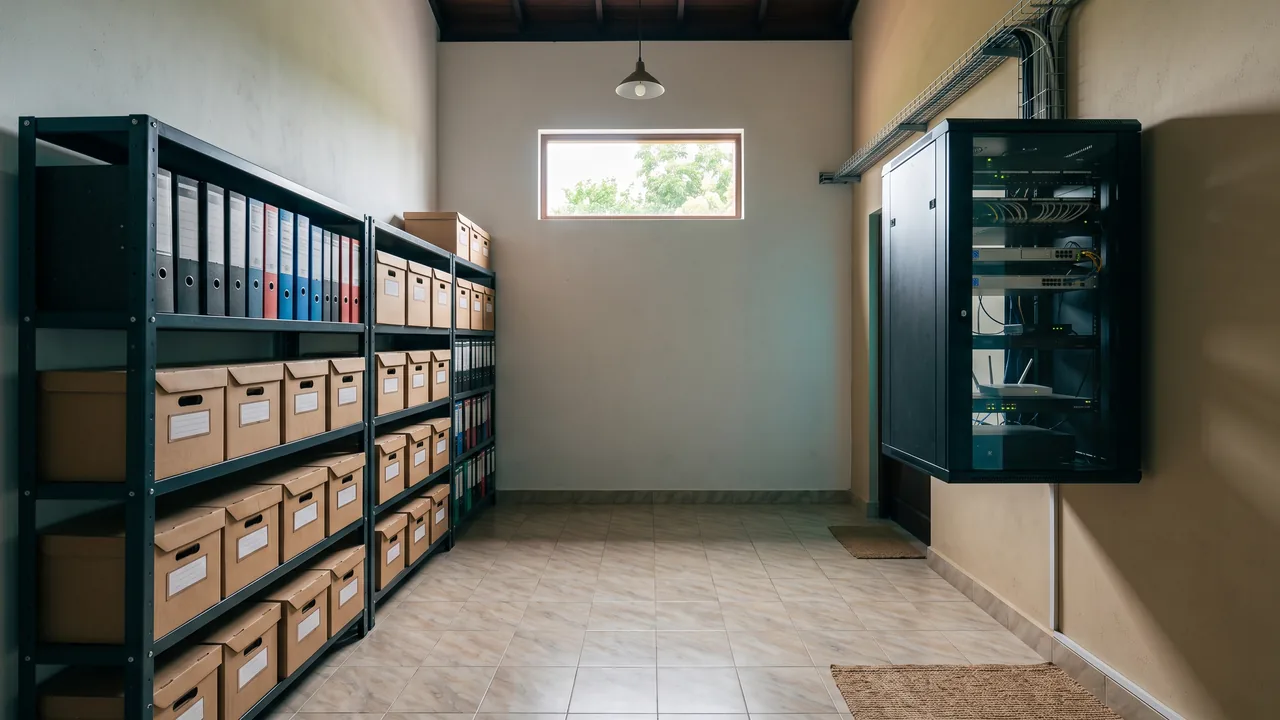
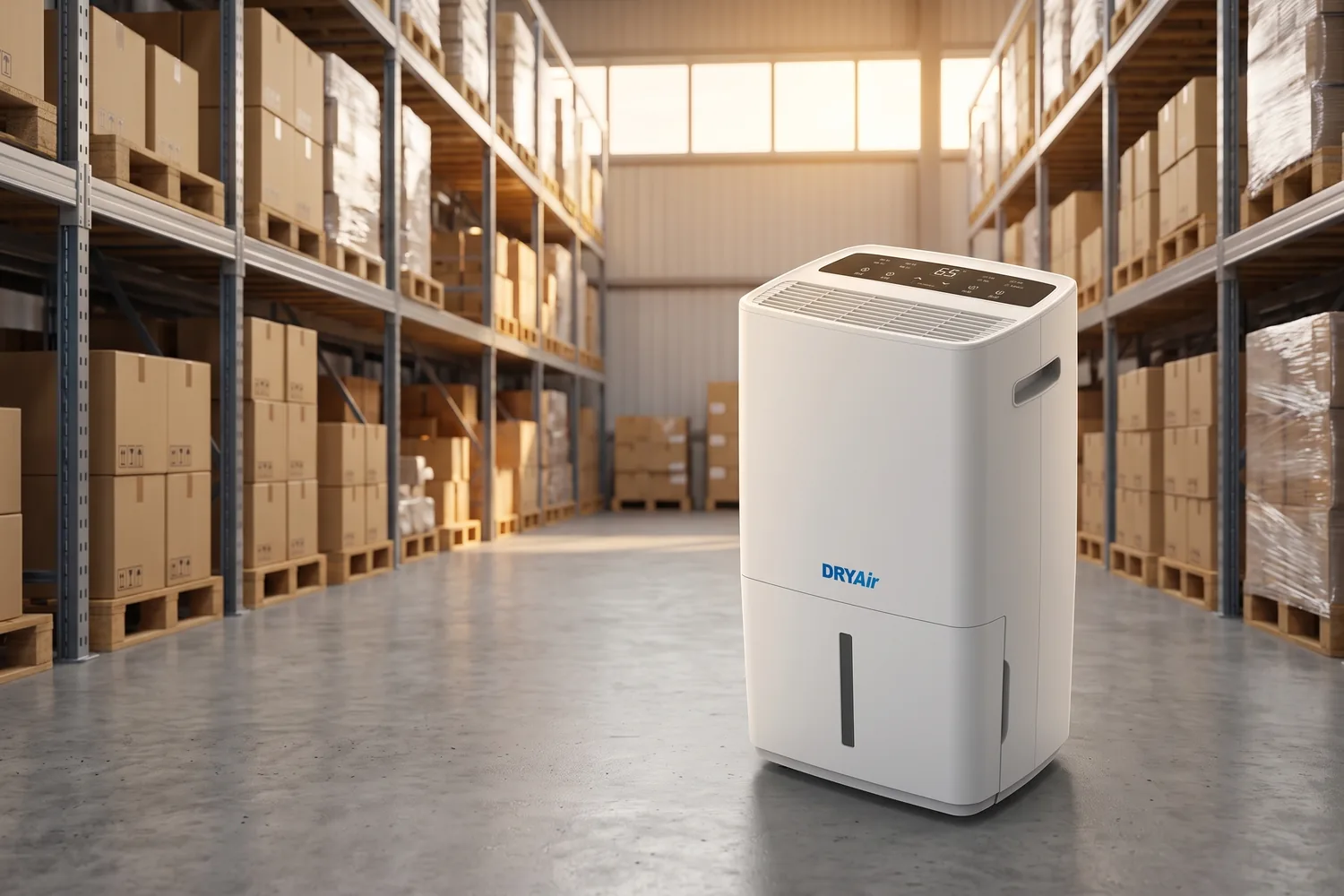
Cartons soften and collapse, labels curl, metal parts rust, textiles and leather goods mildew, and paper products warp. Food ingredients — spices, sugar, flour, tea, powdered milk — absorb moisture, clump and spoil. Many products say it on the label: store in a cool, dry place. In the wet zone, a normal warehouse is neither.
Shops and showrooms
Front doors open all day to 80–90% outdoor air. Clothing and shoe stores fight mildew and musty smells; electronics and camera shops fight corrosion and lens fungus; bookshops fight warped covers and foxed pages.
Hotels, villas and guesthouses
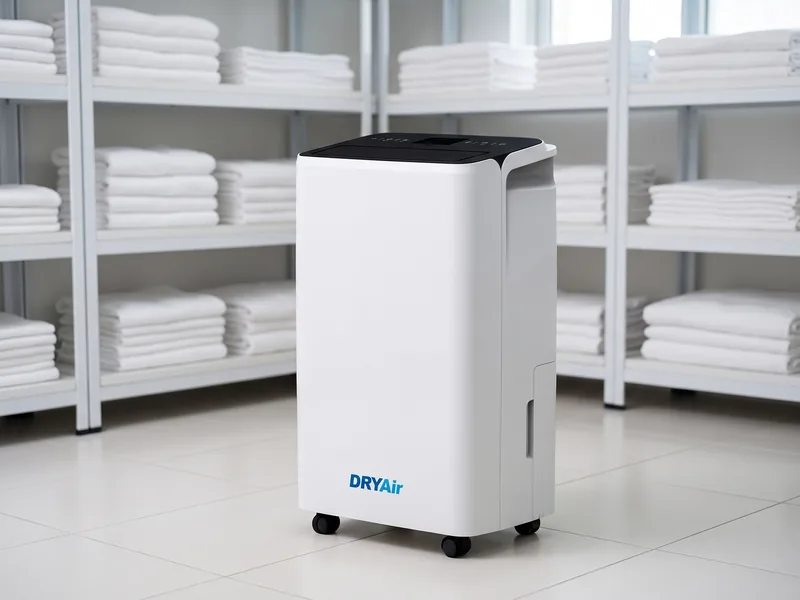
Rooms closed for days between guests, with the AC off, climb to outdoor humidity quickly. The result is the damp-carpet smell that greets a guest on arrival — and ends up in the review. Linen stores, basements, gyms, spas and coastal properties are worst.
Pharmacies, clinics and labs
Medicines, test kits and supplies carry storage instructions, often including a temperature limit and protection from moisture. Follow the specific guidance for every product; a dehumidified store room makes it far easier to stay within it.
Offices and server rooms
Sticky, stuffy air hurts concentration and comfort, and damp files grow mould. For IT equipment, manufacturers specify an operating humidity range: too humid and condensation and corrosion threaten boards and connectors. A small server room with an AC that cycles on and off can see its humidity swing widely.
Archives, studios, galleries and places of worship
Documents, artworks, instruments and religious texts are exactly the organic, hygroscopic materials humidity attacks. Many of these spaces are closed for long periods — ideal conditions for mould.
A practical plan
- Measure before you buy. Put data-logging hygrometers in each space for one to two weeks, including nights and weekends. Humidity patterns are often surprising.
- Fix the obvious leaks. Roof leaks, blocked drains, doors left open to the rain, and missing extractor fans.
- Zone it. You rarely need to dry an entire building. Dry the store room, the linen room, the archive, the server room.
- Size commercial units properly. Large, open or frequently-opened spaces need higher-capacity units with continuous drainage so staff don’t have to empty tanks. See the sizing guide.
- Set a target and monitor it. For most stock and equipment, below 60%; for documents, textiles and leather, 45–55%.
- Plan for service. Commercial units run for long hours; a supplier with local service, parts and a warranty keeps them running.
The bottom line
For a business, humidity control is less about comfort than about protecting what you have already paid for: stock, equipment, buildings and reputation. Measure the spaces that matter, set a target below 60%, and put the right-sized machines in the right rooms.
Questions readers ask
What humidity should a warehouse be kept at?
For most general goods — packaged food, textiles, paper, electronics, metal parts — keeping a warehouse below about 60% relative humidity prevents mould, caking, corrosion and packaging damage. Some products have their own storage specifications, so check manufacturer and regulatory guidance for pharmaceuticals, food ingredients and sensitive materials.
Do hotels in Sri Lanka need dehumidifiers?
Many do, especially rooms that are closed for days between guests, basements, linen stores and properties near the coast or in the hills. Unoccupied rooms with the AC off quickly reach high humidity, which causes musty smells and mould that guests notice and mention in reviews. Dehumidifiers keep rooms fresh between stays.
How do I know if my business has a humidity problem?
Look for musty smells, mould on walls or stock, caked or clumping products, curled labels and cartons, rust on shelving or machinery, condensation on cold surfaces, and electronics failing without clear cause. Then measure with data-logging hygrometers for a week or two to see the real humidity pattern.
Published . Spotted an error? Tell the desk.