Stand in any room in Colombo on a September evening and you are standing in water. Not a puddle — a fine, invisible mist of water vapour spread through every cubic metre of air. In a typical bedroom it adds up to roughly half a litre to a litre of water, hanging there, soaking into mattresses, plaster, books and lungs. Sri Lankans live with it so completely that most of us have never measured it.
That is the invisible flood. It does not wash anything away. It works slowly: the green bloom behind the wardrobe, the musty smell that returns a week after cleaning, the gate hinges that rust in a season, the camera lens that clouds over, the child who wheezes every night between May and September.
What does “relative humidity” actually mean?
Relative humidity (RH) is how much water vapour the air is holding, compared with the most it could hold at that temperature, written as a percentage. At 100% the air is saturated and water begins to condense on surfaces. At 50% it is holding half of what it could.
The word relative matters. Warm air can hold far more water than cool air. So when a room cools down at night — or when air touches a surface chilled by an air conditioner — the same amount of water suddenly becomes a much higher percentage. That is why humidity readings climb after dark, and why the wall behind an AC unit is often the first place mould appears.
Why are Sri Lankan homes so humid?
Geography. The island sits a few degrees north of the equator, surrounded by warm ocean, and is swept by two monsoons: the south-west monsoon from roughly May to September and the north-east monsoon from roughly December to February, with thundery inter-monsoon rains in between. Warm sea air carries enormous amounts of water, and it arrives at the coast already close to saturation.
The wet zone — the south-west quarter of the island, including Colombo, Gampaha, Kalutara, Galle, Ratnapura and much of Kandy — gets the worst of it. But even the dry-zone cities, from Anuradhapura to Jaffna, spend long stretches above 70%. Check the live Humidity Index on any given day and you will rarely see a Sri Lankan city below 60%.
Homes then trap that moisture. Cooking, bathing, drying clothes indoors during the rains and simply breathing add more — a family of four can release several litres of water into the air every day. Modern apartments, sealed for air conditioning and security, give it fewer ways out.
Most of us have never measured it. That is exactly why the damage surprises us.
What does 80% humidity do to a home and a body?
At 45–55%, almost nothing bad happens. Push past 60% and hold it there, and the list grows quickly:
- Mould begins colonising walls, ceilings, grout, fabric and leather, releasing spores and the familiar musty smell. Read our guide to mould.
- Dust mites — the leading indoor trigger for asthma and allergic rhinitis — multiply in mattresses and pillows. How humidity feeds dust mites.
- Sleep gets harder, because sweat cannot evaporate to cool the body.
- Metal rusts, electronics corrode and camera lenses grow fungus. What damp does to electronics.
- Clothes, books and leather spot, warp and smell. Protecting heirlooms from the damp.
- Paint blisters, plaster crumbles and wooden doors swell until they stick.
The World Health Organization’s guidelines on dampness and mould link damp homes with more coughing, wheezing and asthma. You do not need to take anyone’s word for the rest: look behind your wardrobe.
What is the right humidity level for a home?
Aim for 45–55% relative humidity indoors. It sits comfortably inside the healthy 40–60% band, low enough to stop mould and starve dust mites, high enough that skin, eyes and wooden furniture stay comfortable. Bedrooms, wardrobes, stores and any room with books, instruments, cameras or documents benefit most.
How do you bring the humidity down?
There are only three ways to remove water from indoor air:
- Ventilation — swapping damp indoor air for drier outdoor air. It works in the dry season and on sunny afternoons; during the monsoon, the outside air is usually wetter than the inside.
- Air conditioning — an AC removes some moisture while it cools, but it stops drying once the room reaches its set temperature, and it only works in rooms that are air-conditioned. Why an AC isn’t enough.
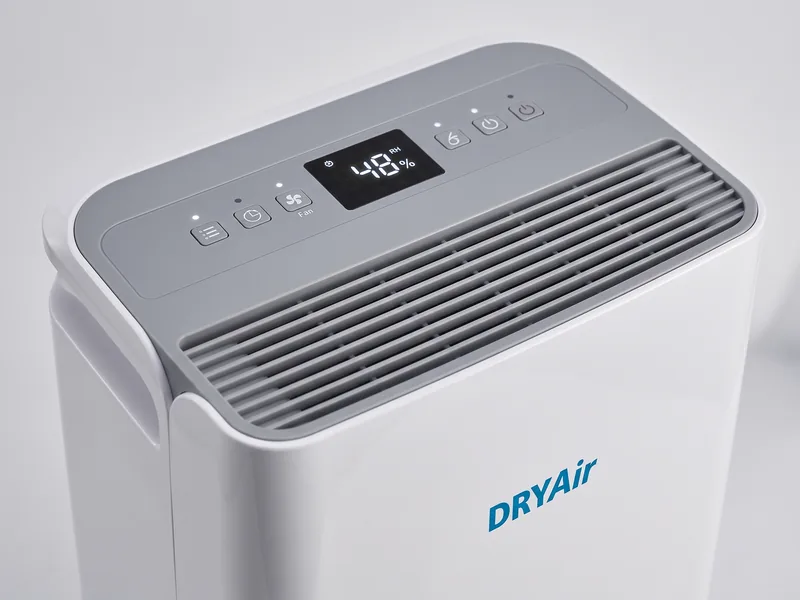
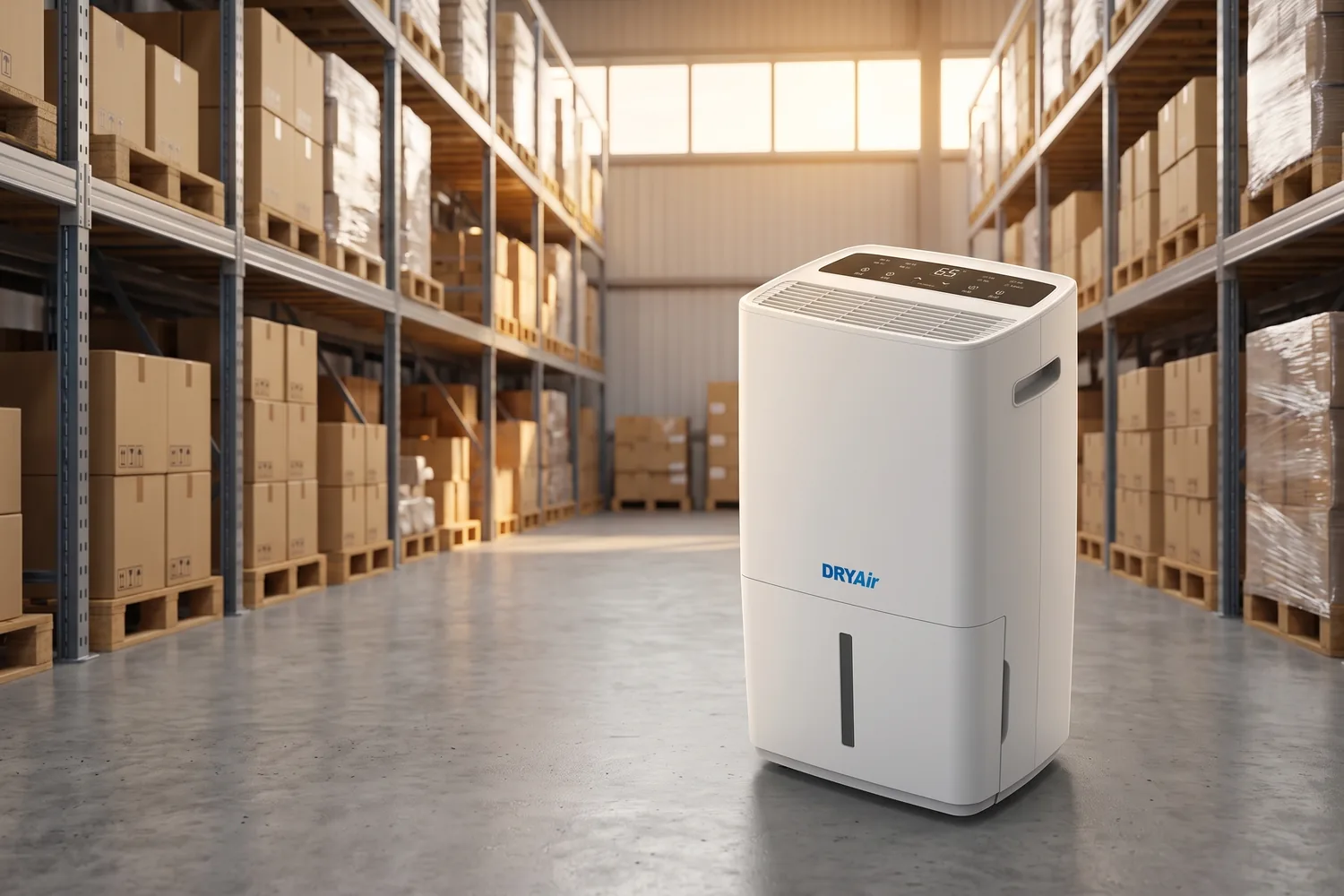
- A dehumidifier — an appliance built only to pull water out of the air, down to a humidity number you set, whether or not the room is cool. In a Sri Lankan bedroom it will typically collect several litres of water a day in the monsoon season.
For most households the answer is a combination: ventilate when the weather allows, use extractor fans in the kitchen and bathroom, and run a correctly sized dehumidifier in the rooms that matter most. Our sizing guide and room sizer will tell you which capacity fits.
The bottom line
Humidity is not a weather curiosity. In Sri Lanka it is the single biggest cause of the slow, expensive damage that happens inside our homes — and the easiest one to measure and control. Measure first. If your rooms sit above 60%, bring them down to 45–55% and keep them there. The mould, the mites, the rust and the smell all retreat with it.
Questions readers ask
What is a normal humidity level in a Sri Lankan house?
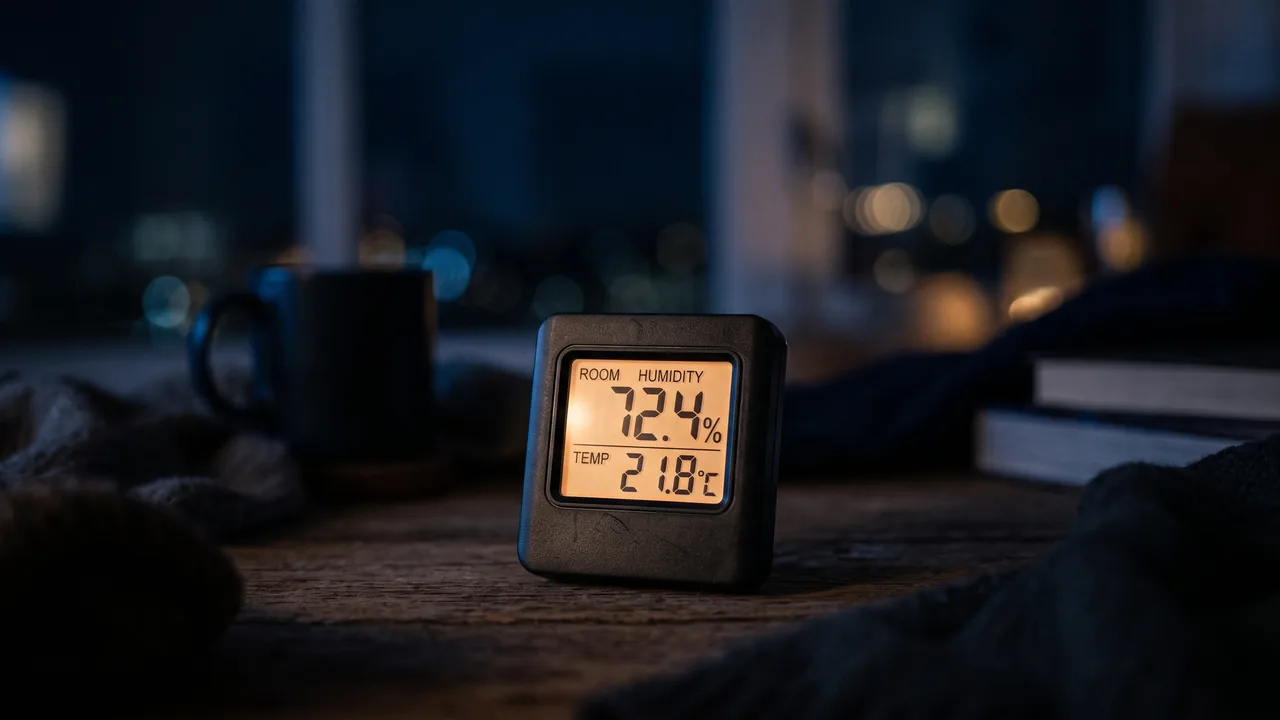
Without air conditioning or a dehumidifier, most Sri Lankan homes sit between 70% and 90% relative humidity, rising above 90% on monsoon nights. The healthy range is 40–60%, and 45–55% is the best target for health and property.
How do I measure the humidity in my room?
Buy a digital hygrometer — a small thermometer-and-humidity display sold in hardware and electronics shops for a few hundred rupees. Leave it in the room for an hour away from windows and direct sunlight, then read the percentage. Check morning and night, because humidity rises as the air cools.
Does opening the windows reduce humidity?
Only when the outdoor air is drier than the indoor air, which in Sri Lanka is rare during the monsoons. Opening windows on a humid evening lets more moisture in. Ventilate on dry, sunny afternoons and keep windows closed during rain and at night.
Published . Spotted an error? Tell the desk.