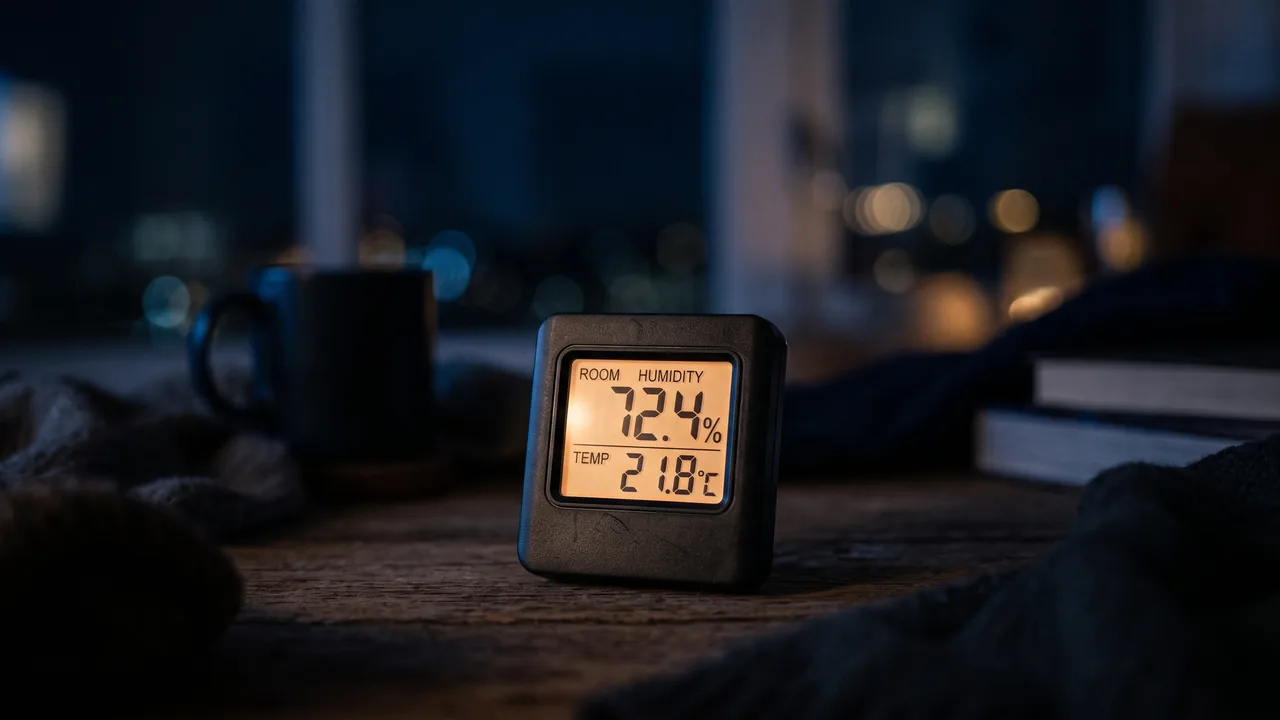
Walk into many Colombo offices at 8.30 on a Monday morning and you can smell the weekend. The air conditioning has been off for two days, the windows are sealed, and the humidity has quietly crept back up to 75%, 80%, sometimes more. By ten the AC has the temperature under control. The damp in the carpet, the chairs, the ceiling tiles and the file room is still there.
Offices are designed around temperature. Humidity is usually nobody’s job.
Why does an air-conditioned office still feel damp?
Because an air conditioner controls temperature, not humidity. It removes moisture only while it is actively cooling, stops drying once the room reaches its set point, and is often switched off overnight and at weekends — exactly when humidity climbs back. Oversized units make it worse: they cool quickly, cycle off, and leave the air cold but clammy. How a dehumidifier differs from an AC.
The result is familiar across the island: offices that are cool but sticky, musty meeting rooms, curling paper, and the odd patch of mould on the wall behind the cabinet.
The four spaces that matter most
1. Open-plan work areas
Staff comfort depends on humidity as much as temperature. Damp air makes a room feel stuffy and makes sweat evaporate slowly, which is why people keep turning the AC down. Holding the floor near 50% often lets the thermostat sit a degree or two higher with everyone equally comfortable.
2. File rooms and archives
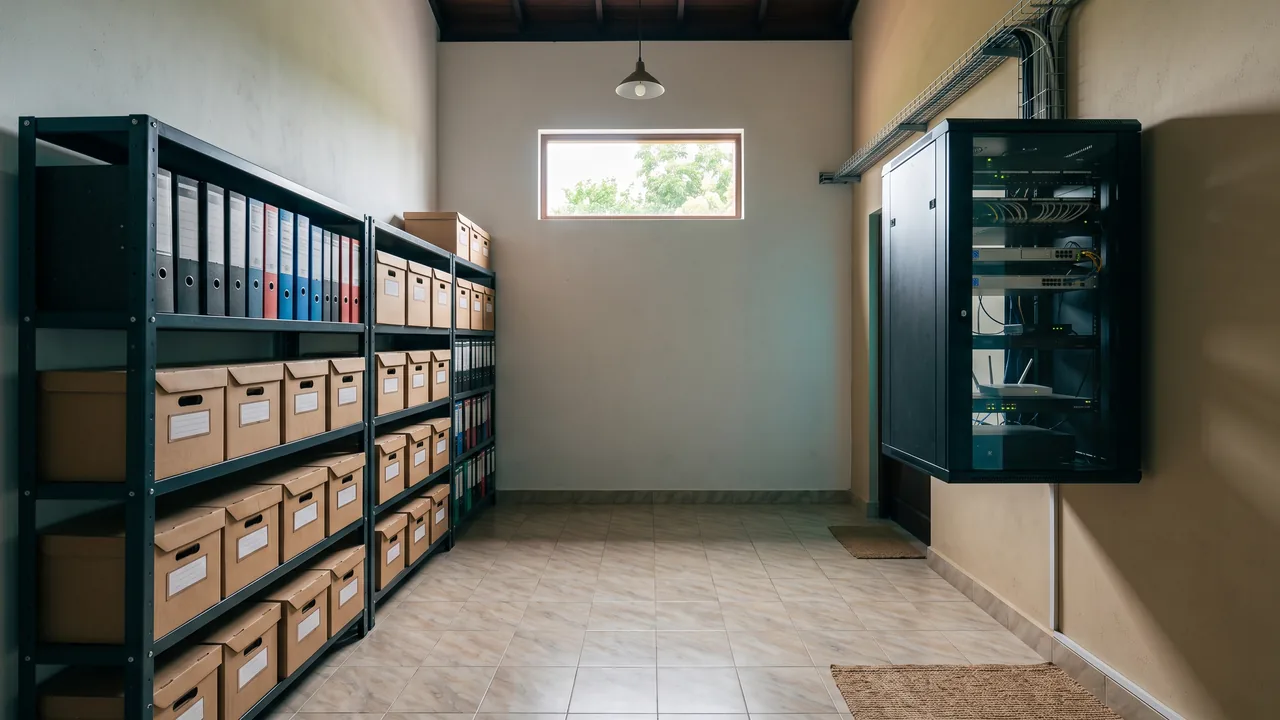
Paper, cardboard and bindings soak up moisture. Closed records rooms — rarely opened, rarely aired, often in basements or ground floors — are where offices lose documents to spotting, sticking pages and mould. Many businesses are required to keep financial, HR and legal records for years; damp storage puts that at risk. Protecting paper, books and photographs.
3. Server rooms and IT cupboards
Electronics manufacturers specify an operating humidity range. In a small server room cooled by a split AC that cycles on and off, humidity can swing widely, and cold surfaces can drop below the dew point. That means condensation, corrosion on connectors and boards, and faults that are hard to trace. What damp does to electronics.
An office can pass every temperature check and still fail the humidity one — usually at 3 am on a Sunday.
4. Pantries, washrooms and store cupboards
Kettles, rice cookers and showers add moisture; poorly ventilated store cupboards collect it. These are where the first mould spots and musty smells appear.
How to get office humidity under control
- Measure for two weeks. Put data-logging hygrometers in the work floor, the file room and the server cupboard. Include nights and weekends — that is where the surprises are.
- Set a target. 45–55% for work areas and archives; follow your equipment makers’ guidance for IT.
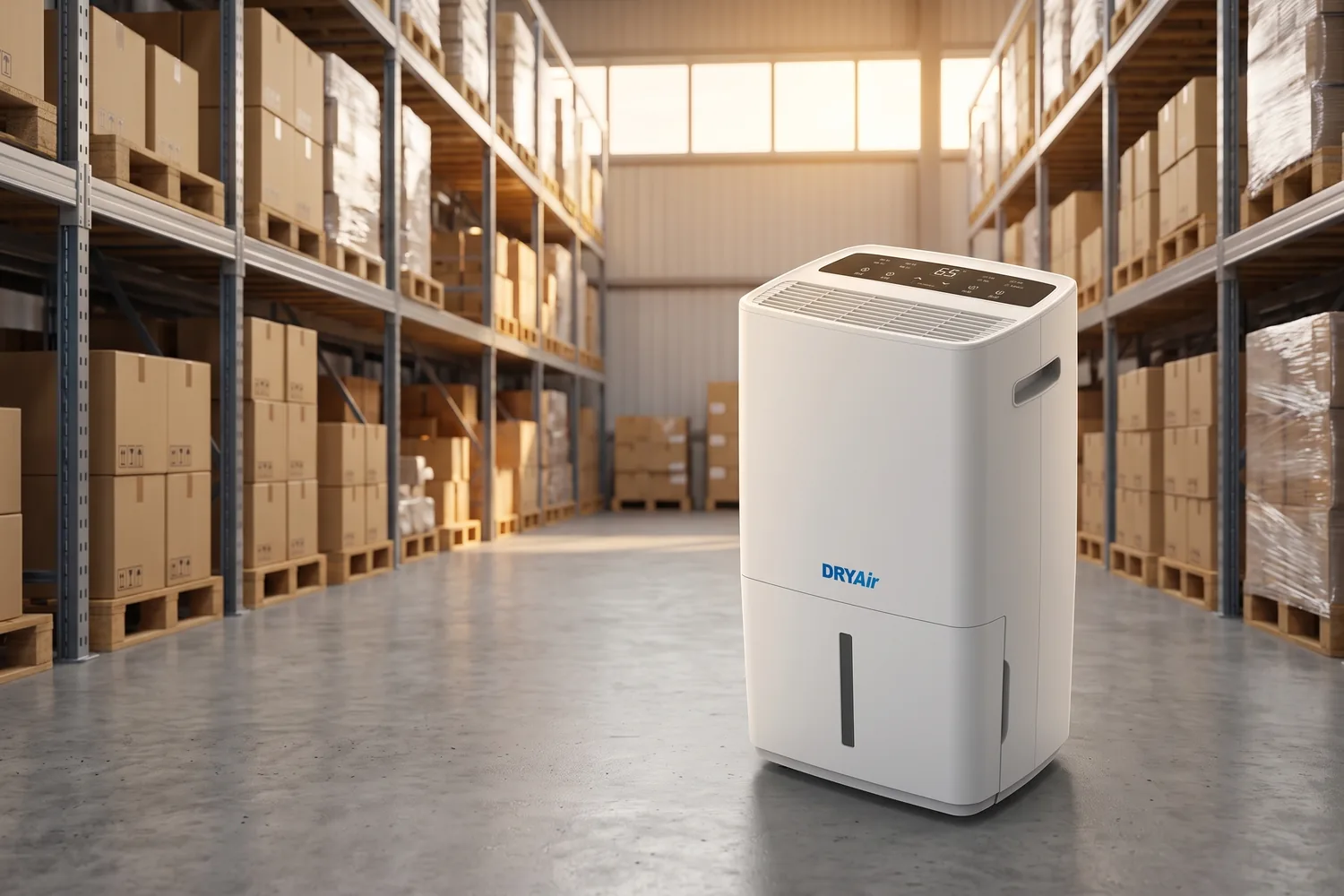
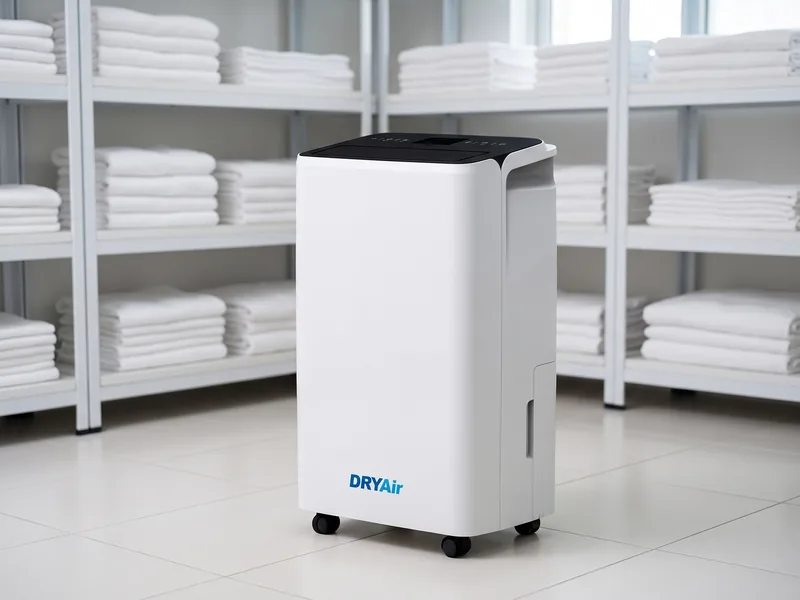
- Dry the closed rooms first. A records room or server cupboard with a correctly sized dehumidifier, set to 50% and left running, is the single biggest win.
- Use continuous drainage where there is a floor drain, so nobody has to empty tanks — especially in rooms that are rarely visited.
- Fix the basics. Extractor fans in washrooms and pantries, sealed windows and doors in archives, and no cardboard stored directly on floors or against outside walls.
- Keep humidity control on after hours. The damp returns when the building empties.
The bottom line
Offices already pay to control temperature. Adding humidity control — especially in the rooms that are closed, full of paper or full of electronics — protects records, equipment and the people who work there, for a fraction of the cost of what damp destroys.
Questions readers ask
What is the ideal humidity for an office?
Keep office work areas between about 40% and 60% relative humidity, ideally 45–55%. In that range people feel comfortable, paper and furniture stay stable, and mould and dust mites cannot establish themselves. Many Sri Lankan offices drift above 65% outside working hours when the air conditioning is off.
Do server rooms need a dehumidifier?
Many small server rooms and IT cupboards in Sri Lanka benefit from one. Equipment makers specify an operating humidity range, and an air conditioner that cycles on and off lets humidity swing and condensation form on cold surfaces. A dehumidifier with a humidistat keeps the room stable; larger data centres use dedicated precision cooling instead.
How do I protect office files and records from damp?
Store them in a dedicated, closed records room held at about 45–55% relative humidity, on shelves away from outside walls, in boxes rather than open piles. Check monthly for musty smells and spotting, and run a dehumidifier with a humidistat so the room stays dry nights and weekends too.
Published . Spotted an error? Tell the desk.