Every hotelier on the island knows the phrase. It turns up in guest reviews from Negombo to Nuwara Eliya, often next to four good comments about the staff and the breakfast: “The room smelled a bit damp.”
It is one of the most avoidable complaints in hospitality — and one of the most expensive, because it is written where every future guest can read it.
Why do hotel rooms smell damp?
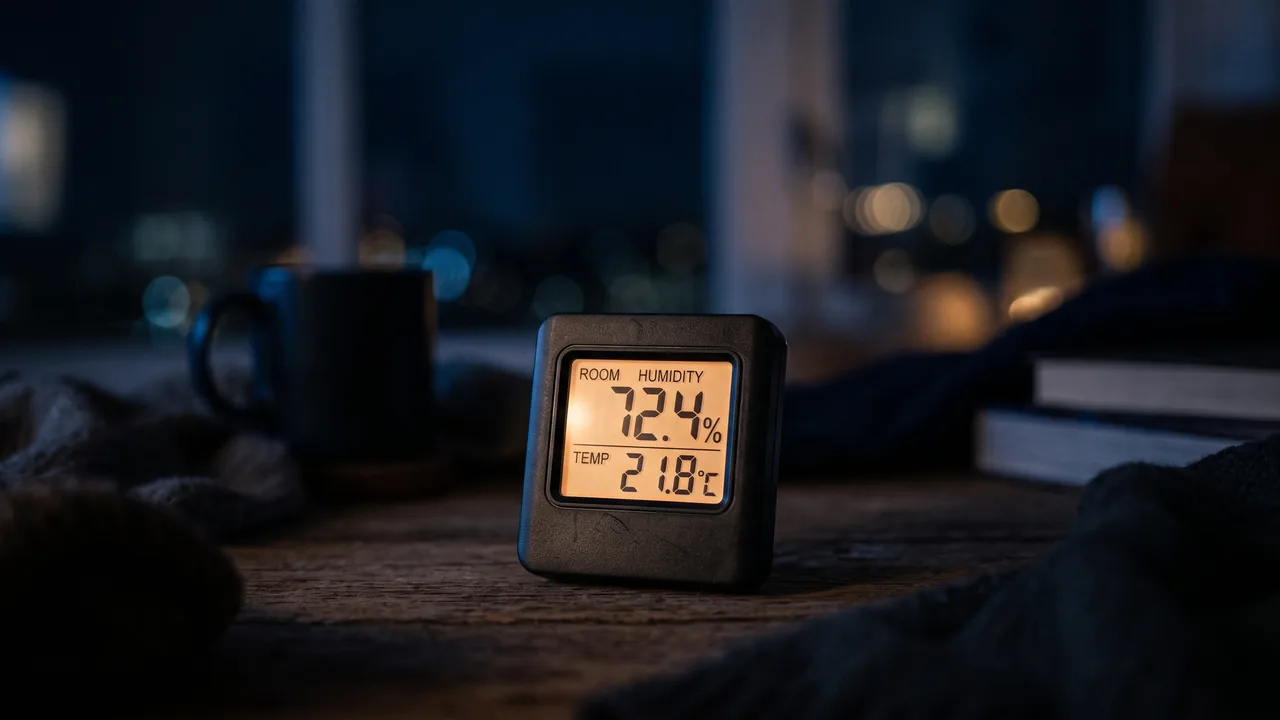
A room left unoccupied with the air conditioning off quickly rises to the humidity of the outdoor air — commonly 80% or higher in Sri Lanka. Carpets, curtains, upholstery, mattresses and wardrobes absorb that moisture, and the mould and bacteria that grow in them give off the musty compounds a guest smells the moment the door opens. Air fresheners cover it for a few minutes; they do not stop it. What that musty smell actually is.
Several things make hotels and villas especially vulnerable:
- Rooms sit empty between stays, sometimes for days in the low season, with the AC off to save power.
- Fabric everywhere: carpets, heavy curtains, upholstered headboards, cushions and bed runners all hold moisture.
- Coastal and hill-country locations, where the air is either salty and humid or cool and misty. The hill-country damp problem.
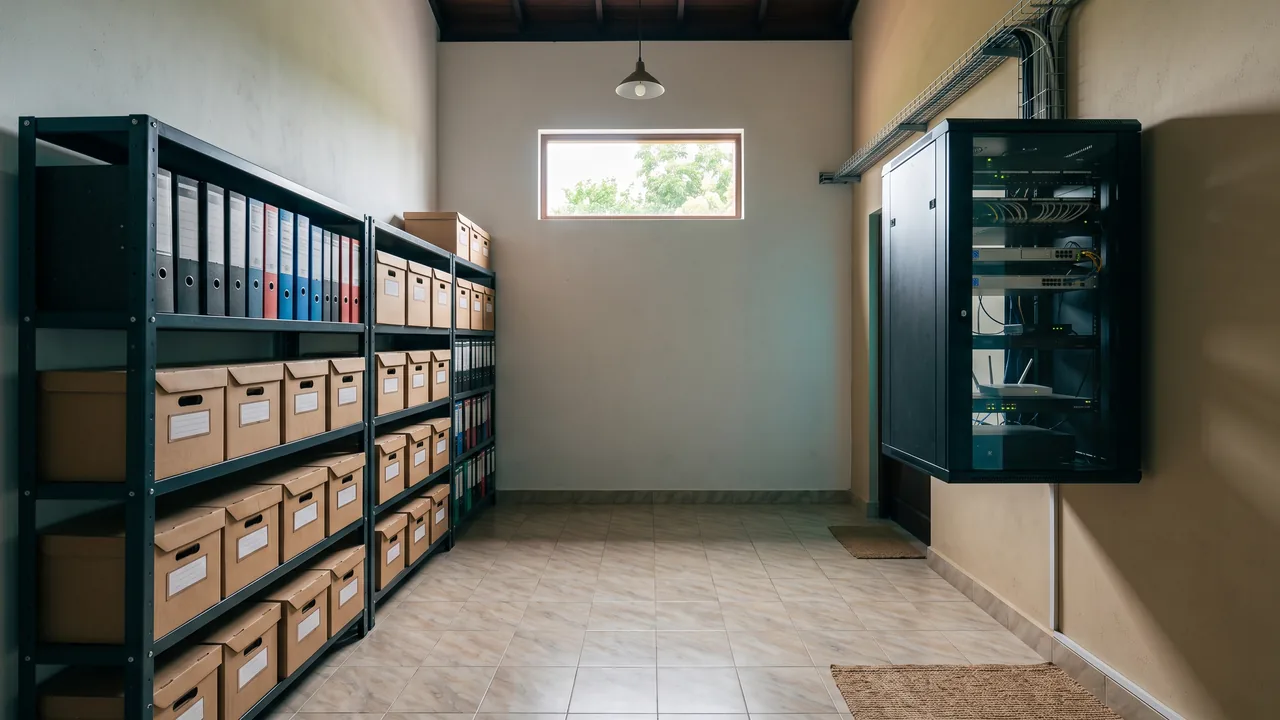
- Back-of-house spaces — linen rooms, laundries, spas, gyms and basements — that generate or trap moisture.
A guest forms an opinion of a room in the first ten seconds. Smell gets there before anything else.
The highest-risk spaces in a property
| Space | What goes wrong | Target |
|---|---|---|
| Unoccupied guest rooms | Musty smell, mould on walls and in wardrobes, damp bedding | 50–55% RH |
| Linen stores | Stored towels and sheets smell stale, mildew spots | 45–55% RH |
| Spas, steam rooms’ surrounds, gyms | Condensation, mould on ceilings and grout | Extract + dehumidify |
| Basements and back-of-house stores | Mould on stock, rust, damp packaging | Below 60% RH |
| Function rooms and ballrooms | Stale smell after days unused, damp upholstery | 50–55% RH |
A humidity plan for hotels, villas and guesthouses
- Measure first. Put hygrometers in a few typical rooms — including one that has been empty for three days — and the linen room. The readings usually settle the argument.
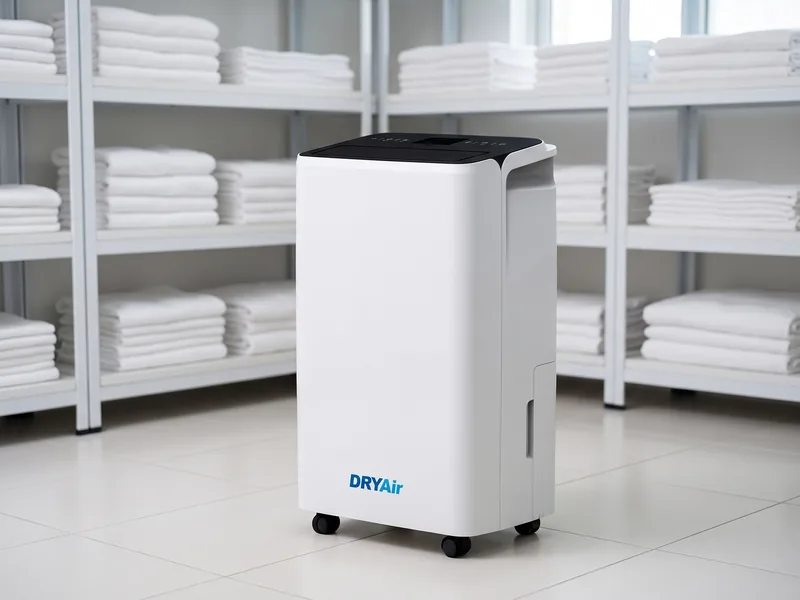
- Keep empty rooms dry. Run a dehumidifier set to 50–55% in unoccupied rooms, doors and windows closed. It is cheaper than running the AC to cool an empty room, and the room is fresh when the guest arrives.
- Fix the linen room. Only fully dry linen goes in; open shelving off the floor; a dehumidifier running continuously with drainage to a floor drain.
- Maintain the AC. Blocked drip trays and dirty coils grow mould and blow it straight into the room.
- Air rooms only when the outdoor air is dry. During the monsoon, opening balcony doors lets in wetter air, not fresher air. When to ventilate.
- Inspect monthly in the rainy season: behind headboards, inside wardrobes, under beds and behind curtains.
Who is already doing it
DRYAir, the Colombo dehumidifier specialist, counts hospitality clients among its customers, including Cinnamon Life and Suite Lanka Hotel. Room-sized 12–20 L/day units suit guest rooms and suites; 35–50 L/day units with continuous drainage suit linen rooms, basements and function spaces. See Where to Buy.
The bottom line
In hospitality, humidity is not a maintenance footnote. It is the difference between a room that feels fresh and one that gets a line in a review. Keep empty rooms and linen stores dry, and the smell never gets the chance to check in before your guest does.
Questions readers ask
Why do hotel rooms smell musty?
When a room sits closed with the air conditioning off, its humidity rises to match the outdoor air, often above 80% in Sri Lanka. Carpets, curtains, mattresses and wardrobes absorb that moisture, and mould and bacteria growing in them release the musty-smelling compounds guests notice. Air fresheners mask it; drying the room stops it.
How can hotels keep unoccupied rooms fresh?
Keep a dehumidifier or the room’s humidity control running while the room is empty, set to around 50–55%, with doors and windows closed. Air rooms only on dry, sunny days, clean the AC drip trays and filters regularly, and check wardrobes, curtains and under beds for early mould during the monsoon.
What humidity should a hotel linen room be kept at?
Around 45–55% relative humidity. Linen must go in completely dry and be stored off the floor on open, ventilated shelving. Above about 60% humidity, stored towels and sheets pick up a musty smell and can develop mildew spots, meaning rewashing, replacement and complaints.
Published . Spotted an error? Tell the desk.