Hotel brochures sell the wellness floor: the steam room, the plunge pool, the gym with the view, the treatment rooms with their scented candles. Facility managers know it differently — as the part of the building that is always wet.
Every hour it is open, the wellness floor pumps moisture into the hotel. Where it ends up decides whether the next refurbishment comes in five years or two.
Why are spas, gyms and pools so hard on a building?
Because they produce moisture constantly, in enclosed spaces. Steam rooms and showers release vapour; pools evaporate water all day; and a room full of people exercising adds sweat and breath. That warm, wet air rises and condenses on cooler ceilings, ducts, windows and steelwork, which then stay damp for hours — ideal for mould and corrosion. In Sri Lanka, where outside air is already 70–90% humid, the building has no dry air to dilute it with.
Guests see the steam room. The building feels the steam everywhere else.
Where does moisture damage a hotel’s wellness floor?
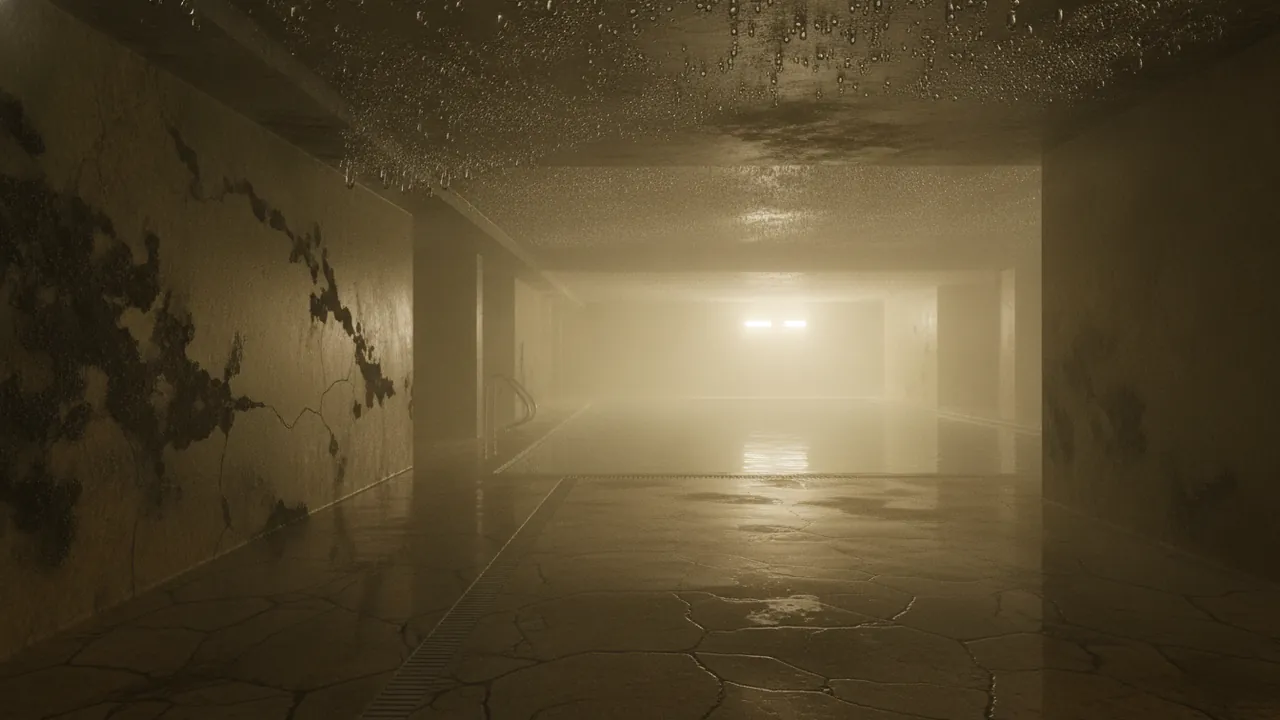
- Ceilings above pools, showers and steam rooms — drips, bubbling paint, black mould, sagging boards.
- Ductwork and grilles — condensation that drips back into the room or grows mould inside the duct.
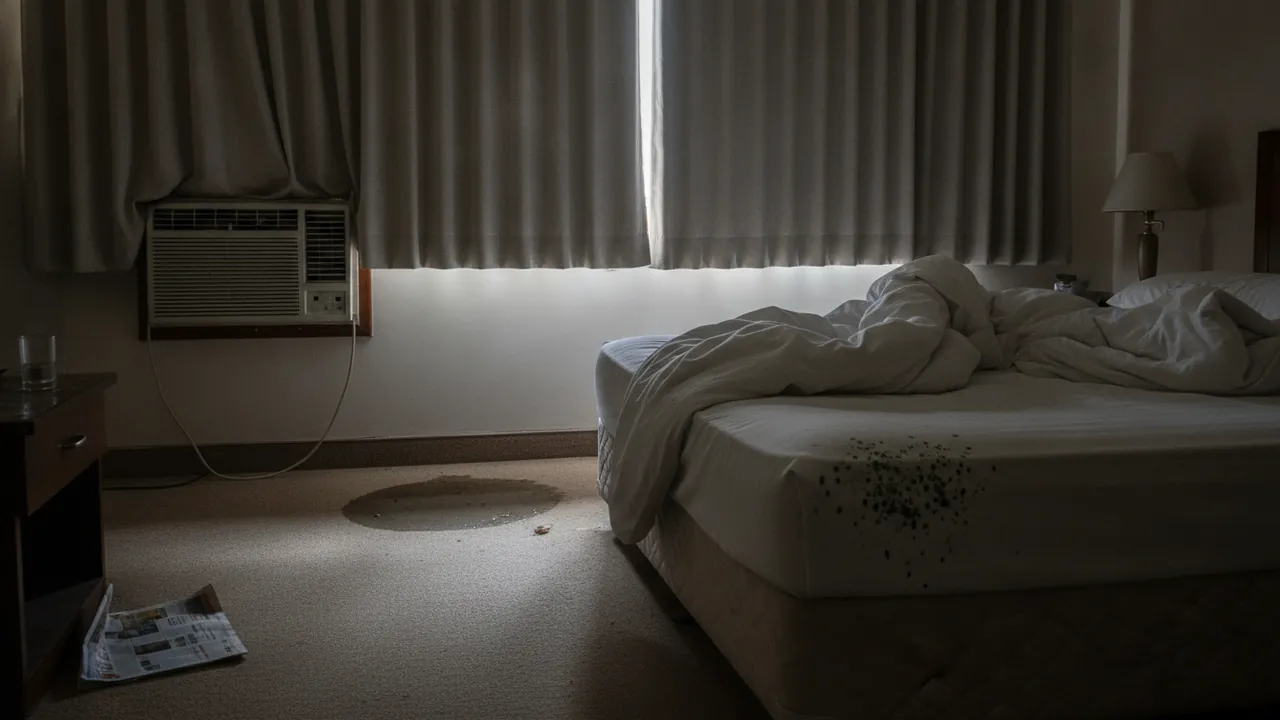
- Treatment rooms next to wet areas — musty smell, mould on soft furnishings, damp towels.
- Gym — sweaty air, fogged windows, corroding equipment and electronics.
- Changing rooms and lockers — damp benches, mould in grout and behind lockers.
- Steelwork, fixings and handrails — corrosion. In coastal resorts, salt air accelerates it; international corrosion standards rate humid coastal environments among the most aggressive for steel.
- Towel and linen stores near the spa — towels that never quite dry and start to smell.
How should hotels control humidity in spas and gyms?
Extract moist air at the source, dehumidify the rooms around the wet zones, keep doors shut between wet and dry areas, dry towels properly, and inspect on a schedule.
1. Extract at the source
Steam rooms, shower areas and pool halls need properly sized mechanical extraction that actually runs — during use and long enough afterwards. Check fans, ducts and grilles regularly; a blocked or switched-off extractor turns the whole floor into a steam room.
2. Dehumidify the spaces around the wet zone
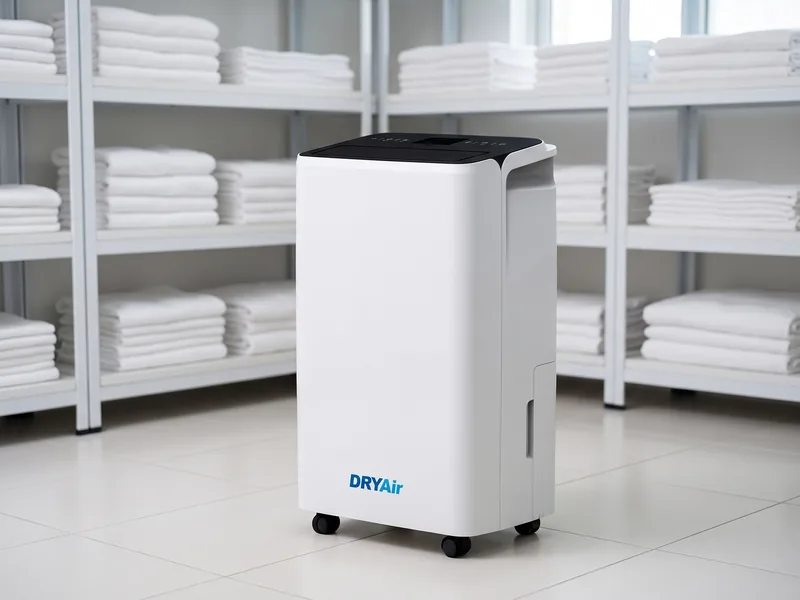
Extraction deals with the source; the surrounding rooms still collect moisture. Treatment rooms, corridors, the gym and the towel store should be held below about 60% humidity. Room-sized 20 L/day units such as DRYAir’s DA-20L suit treatment rooms and stores; larger gyms and corridors the DA-35L or DA-50L with continuous drainage. (Large indoor pool halls usually need a dedicated, professionally designed pool dehumidification system.)
3. Keep doors shut between wet and dry
Steam-room, shower and pool doors should close properly so moist air doesn’t drift into corridors and treatment rooms.
4. Dry the towels properly
Used towels go straight to the laundry, not into a bin in a warm, damp room. Clean towels are stored dry, on open shelving, in a dehumidified store. (How hotels lose reviews to humidity.)
5. Inspect and clean on a schedule
Weekly checks of ceilings, grout, ducts, lockers and treatment-room soft furnishings; clean small mould patches immediately on hard surfaces and dry them, as US EPA guidance advises.
The bottom line
The wellness floor is the most moisture-intensive part of any hotel. Extract at source, dehumidify the rooms around it and dry the towels properly, and your spa will keep feeling like a spa — not like the place the next refurbishment starts. For the rest of the property, see what lurks in a hotel room that’s been closed for three days and DRYAir’s protection blueprint.
Questions readers ask
Why do hotel spas and pools get mould on the ceiling?
Steam rooms, showers, pools and people exercising release large amounts of water vapour. Warm, humid air rises and meets cooler ceilings, ducts and windows, where it condenses. Those surfaces stay damp for long periods, so mould grows and metal fittings corrode. In Sri Lanka’s already humid climate, the problem builds faster.
How do you control humidity in a hotel gym or spa?
Extract moist air at source — steam rooms, showers, pool halls — with properly sized ventilation, then dehumidify the surrounding spaces such as treatment rooms, corridors, the gym and linen and towel stores. Keep those areas below about 60% relative humidity, maintain the extraction fans, and inspect ceilings and ducts regularly.
Sources
- US Environmental Protection Agency — A Brief Guide to Mold, Moisture and Your Home
- International Organization for Standardization — ISO 9223: Corrosion of metals and alloys — Corrosivity of atmospheres
- World Health Organization — WHO guidelines for indoor air quality: dampness and mould (2009)
- US Environmental Protection Agency — Mold Course, Chapter 2: why mold grows and how moisture gets indoors
Guidance from these bodies is general; figures for Sri Lanka come from our own reporting and DRYAir’s field experience.
Published . Spotted an error? Tell the desk.