Somewhere in your pillow tonight there is a thriving city. Its residents are about a quarter of a millimetre long, eight-legged, blind, and entirely harmless as individuals. Collectively, and through the droppings they leave behind, they are one of the most common reasons children on this island wake up coughing.
They are house dust mites, and the reason they do so well in Sri Lanka is the same reason your washing takes three days to dry.
What are dust mites, and why do they cause asthma?
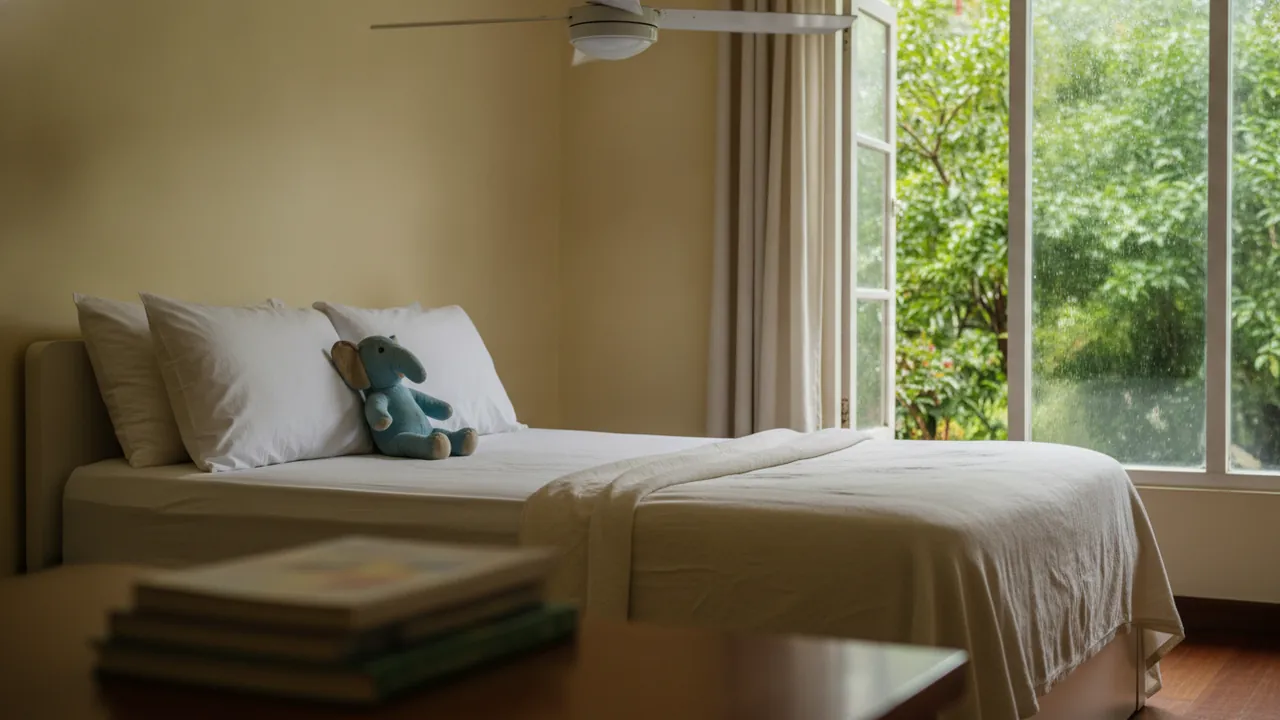
House dust mites are microscopic relatives of spiders that live in mattresses, pillows, sofas, carpets and soft toys, feeding on the flakes of skin people shed every day. The mites themselves do not bite. The trouble is the proteins in their droppings and body fragments, which become airborne when bedding is disturbed and are among the most potent indoor allergens known.
For sensitised people, breathing those allergens night after night can mean a blocked or runny nose, sneezing fits, itchy eyes, eczema flare-ups and — most seriously — asthma attacks. Dust-mite allergy is common in tropical countries, and a bed is the perfect habitat: warm, full of food, and damp from a night of breathing and sweating.
Why humidity is the mite’s lifeline
Here is the fact that changes everything: dust mites cannot drink. They take in water by absorbing it from the air through their bodies. Their survival depends almost entirely on relative humidity.
- At 70–80% — a normal Sri Lankan bedroom — mites thrive, breed and multiply.
- Around 55–65% they can survive, but struggle.
- Below about 50%, held consistently, they lose more water than they can absorb, dehydrate and die off over a period of weeks.
In most of the island, the bedroom is a five-star hotel for dust mites. The humidity is the room service.
That is why washing and vacuuming alone rarely solve a mite problem in a humid home. You can remove a large share of the population, but in 80% air the survivors rebuild it quickly.
A practical plan for a mite-free bedroom
The best results come from combining physical cleaning with a drier room. None of these steps is expensive; together they make a real difference.
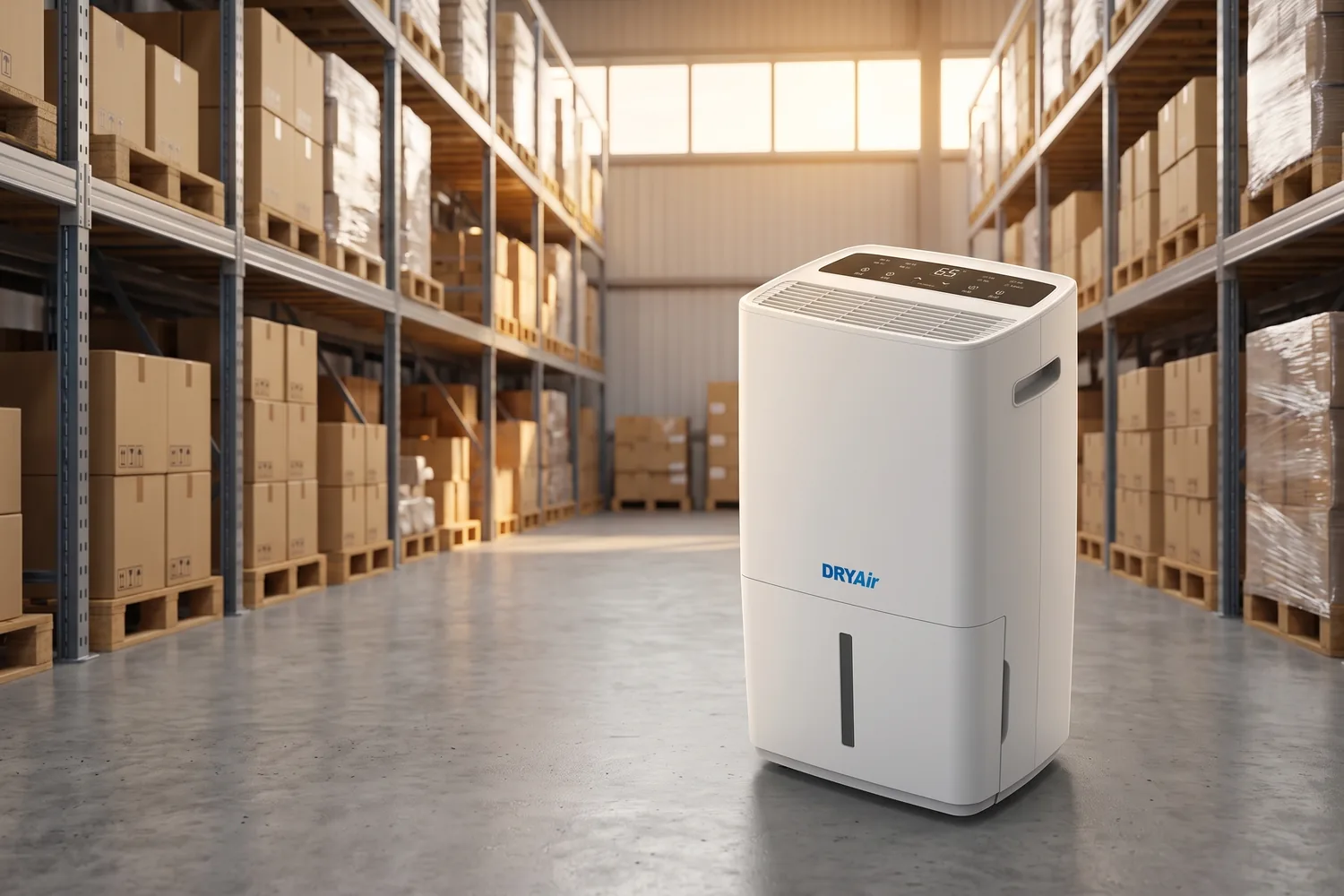
- Dry the air. Put a hygrometer in the bedroom. If it reads above 55%, run a dehumidifier set to 45–50%, with the door and windows closed, especially in the evening and overnight. A quiet unit is essential here — look for a low decibel rating.
- Hot-wash bedding weekly. Sheets, pillowcases and blankets at 60 °C or hotter if the fabric allows, then dry them completely.
- Encase the mattress and pillows in allergen-proof covers, which are sold in larger department stores and online.
- Cut the clutter. Fewer soft toys, cushions and fabric decorations in children’s rooms; wash the favourite teddy regularly or freeze it overnight in a bag.
- Choose hard floors over carpets and rugs where you can, and damp-dust surfaces instead of dry dusting.
- Air the bed. Throw back the sheets in the morning so the mattress can dry — mites prefer a made, warm, damp bed.
What about mould and other allergens?
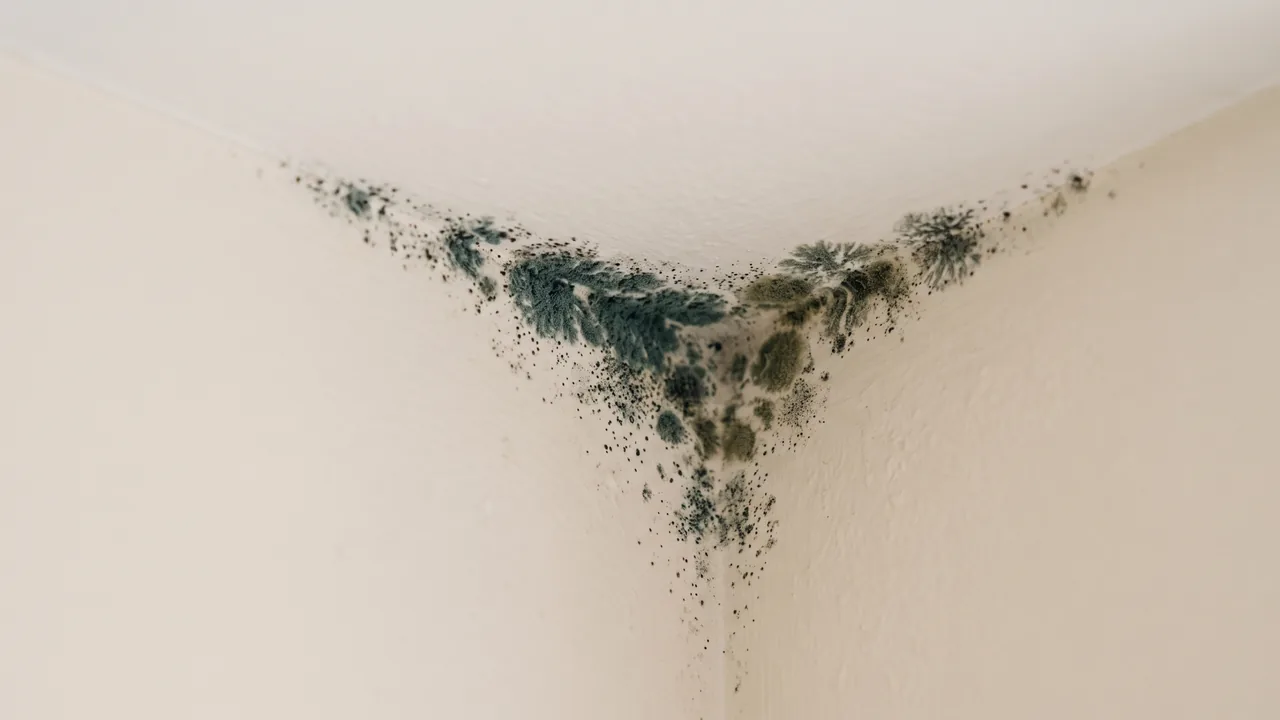
Dust mites rarely come alone. The same damp conditions let mould grow on walls and in mattresses, and humid air carries more bacteria and other allergens. Bringing the bedroom down to 45–55% tackles them together — see why mould keeps coming back.
The bottom line
In humid Sri Lanka, fighting dust mites with cleaning alone is like bailing a boat without plugging the hole. The single most powerful change you can make is to take the bedroom air below 50–55% and keep it there. Combine that with weekly hot washes and mite-proof covers, and you are fighting a population that can no longer drink.
Questions readers ask
Can a dehumidifier help with asthma?
It can remove triggers, not treat the condition. Dust mites and mould — two of the most common indoor asthma triggers — both depend on damp air. Keeping a bedroom below about 50% relative humidity starves mites of water and stops mould growth. Keep following your doctor’s advice and treatment plan.
What humidity kills dust mites?
Dust mites cannot drink and rely on absorbing moisture from the air. Research on house dust mites shows they lose water and die off when relative humidity stays below roughly 50% for extended periods, while they thrive at 70–80%. The effect takes weeks, so keep the room dry consistently.
How often should I wash bedding to control dust mites?
Wash sheets and pillowcases every week at 60 °C or hotter if the fabric allows, and dry them fully. Use allergen-proof covers on mattresses and pillows, and replace old pillows. Combine this with keeping the bedroom at 45–55% humidity for the best result.
Published . Spotted an error? Tell the desk.