Ask anyone who has spent a monsoon night in a Nuwara Eliya bungalow and they will describe the same things: sheets that feel cold and slightly wet when you climb in, a wardrobe that smells of old rain, and a window streaming with water in the morning. Kandy, Hatton, Bandarawela, Badulla and Haputale all know the feeling.
The hill country has a humidity problem that is different from the coast’s. It is not heat and stickiness. It is cold and clamminess.
Why are hill-country homes so damp?
Because cool air holds less water than warm air. The same amount of moisture that reads as 70% in Colombo can read as 90% or more on a cool hill-country evening, and when the air meets a cold wall or window it drops below its dew point and turns to water. Add mist and low cloud that roll in most afternoons in the wet months, and the air around a hill-country house is often close to saturated.
Three things make it worse indoors:
- Cold surfaces. Thick old walls, single-glazed windows and concrete floors stay cold overnight. They are exactly where condensation, and then mould, appears.
- Closed-up rooms. People keep windows shut against the cold — sensible — but moisture from breathing, cooking, showers and drying clothes stays in.
- Little sunshine in the wettest months to dry anything out.
Damp air feels colder than dry air at the same temperature. Drying the room makes it feel warmer.
Why damp makes you feel colder
Water conducts heat far better than dry air. Damp bedding, damp clothes and damp walls pull warmth away from your body, which is why a hill-country room at 16 °C and 90% humidity feels so much colder than the same temperature on a dry day. Drier air, drier sheets and drier clothes feel noticeably warmer — which can mean less time with the heater on.
Do dehumidifiers work in the hills?
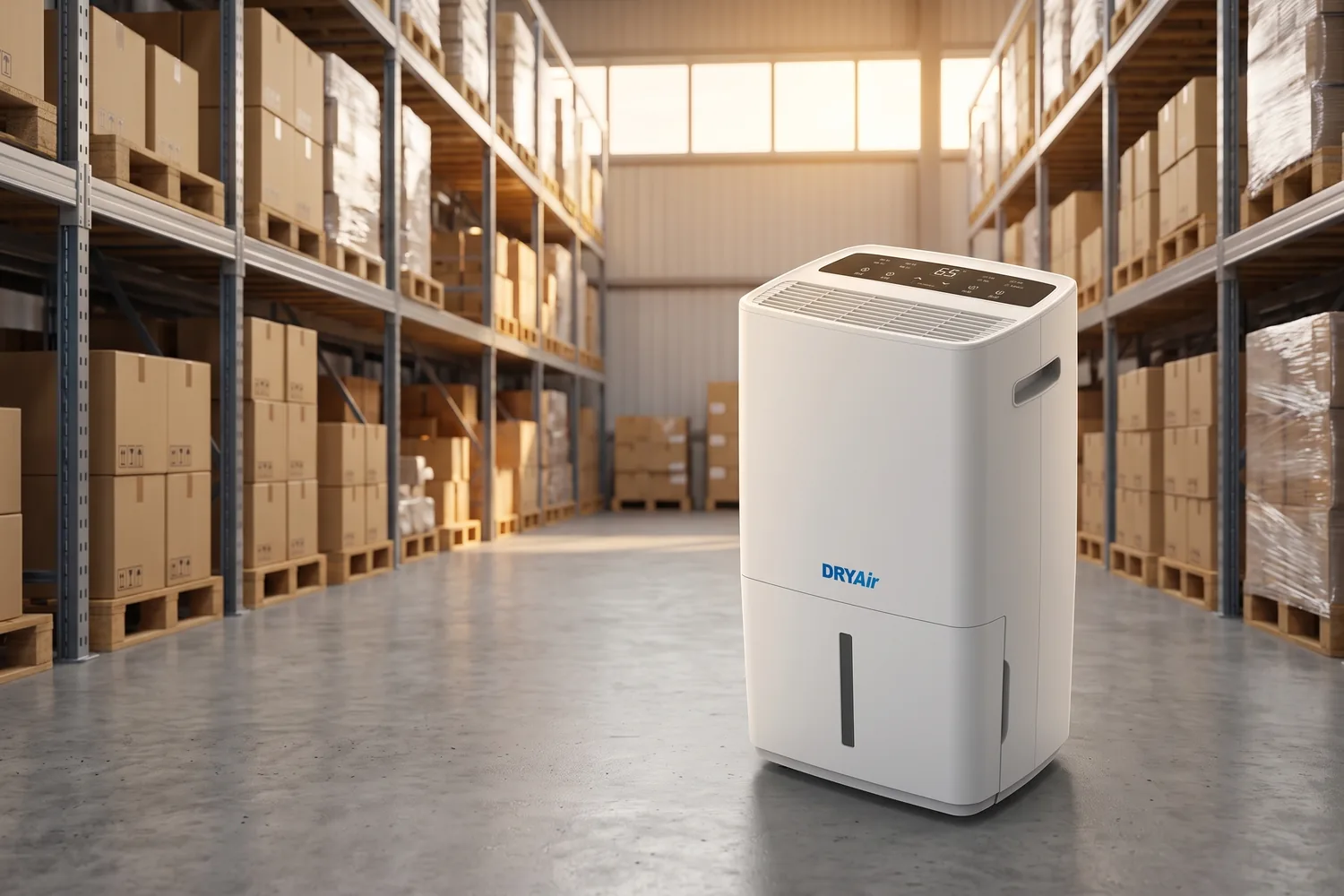
Yes, with one thing to know. Most home dehumidifiers are compressor machines. They work by chilling a coil below the air’s dew point, and when the room itself is cold, that coil can frost up. Most models handle this with an automatic defrost cycle, but their efficiency drops as rooms get colder — typically noticeably once temperatures fall towards the low teens Celsius.
In practice:
- Lived-in rooms — bedrooms, living rooms and studies that people use in the evening, with a little heating — usually stay warm enough for a compressor dehumidifier to work well.
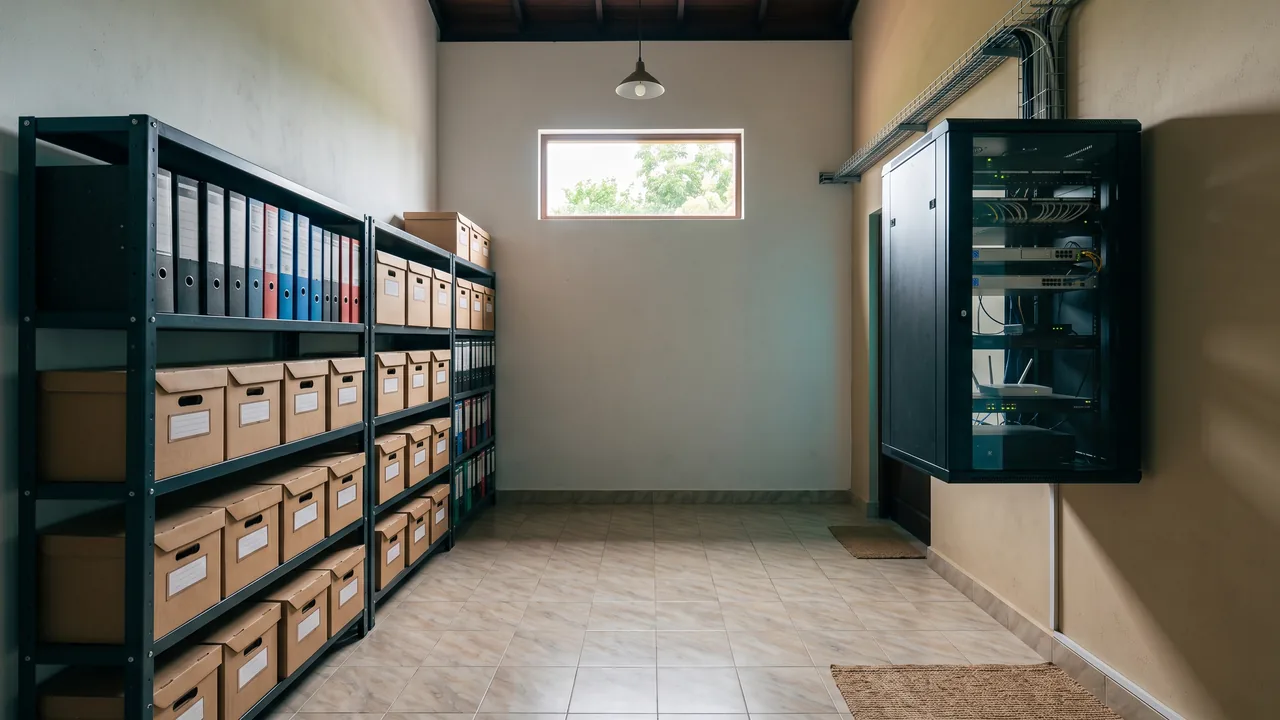
- Very cold, unheated spaces — closed bungalow wings, stores, garages — are where desiccant dehumidifiers, which don’t rely on a cold coil, come into their own.
A hill-country checklist
- Measure morning and evening with a hygrometer — hill-country readings swing widely.
- Dry the bedroom first. Run the dehumidifier in the evening with the door closed; your sheets will feel different within days.
- Pull furniture off outside walls, especially wardrobes and beds.
- Wipe window condensation every morning, and keep curtains off the glass.
- Dry laundry in one closed room with the dehumidifier on, not draped around the house.
- Ventilate on sunny mid-mornings, when the mist has lifted and the outdoor air is at its driest.
- Fix gutters and drains — hill-country rain is heavy, and water against walls becomes rising damp.
The bottom line
In the hills, damp and cold are the same problem seen from two sides. Warm the rooms you use, dry them to 50–55%, and deal with cold surfaces — and the clammy sheets, musty wardrobes and streaming windows go with it.
Read the island-wide picture in our monsoon survival guide, or check today’s reading for Nuwara Eliya and Kandy on the Humidity Index.
Questions readers ask
Why do houses in Nuwara Eliya feel so damp?
The hill country is cool and often wrapped in mist and cloud, so the air is close to saturation. Cool air holds less water than warm air, which pushes relative humidity up, and cold walls and windows drop below the dew point at night, so water condenses on them. The result is damp bedding, musty wardrobes and mould on outside walls.
Do dehumidifiers work in cold rooms?
Compressor dehumidifiers work best in warm rooms and lose efficiency as temperatures fall towards the low teens Celsius, because their coil can frost. Most lived-in hill-country rooms stay warm enough for them to work well, especially with some heating. For very cold, unheated spaces, desiccant dehumidifiers are the specialist alternative.
Published . Spotted an error? Tell the desk.