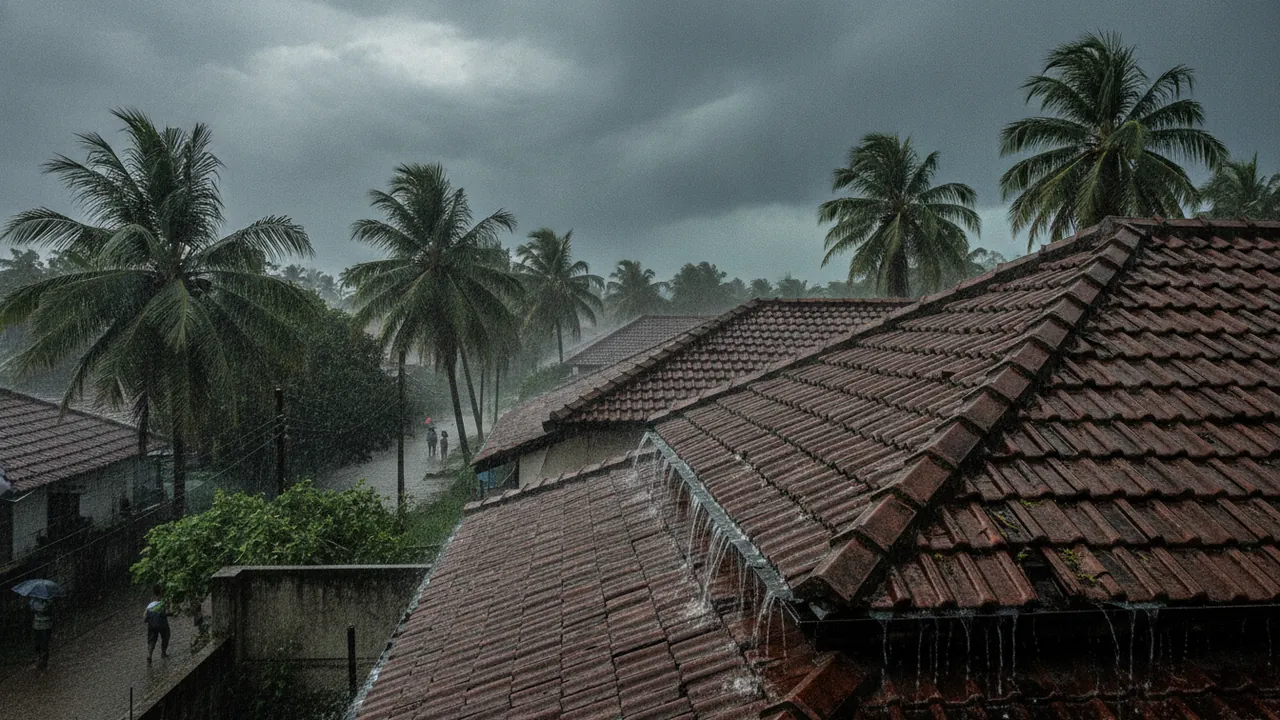
Sri Lanka does not have one rainy season. It has two monsoons, two inter-monsoons, and — if you live in the wet zone — about four weeks a year that feel genuinely dry. For your walls, wardrobes and lungs, the calendar looks like this.
When does the damp peak where you live?
| Season | Roughly | Hits hardest |
|---|---|---|
| First inter-monsoon | March – April | Island-wide afternoon thunderstorms, especially the south-west |
| South-west monsoon (Yala) | May – September | Colombo, Gampaha, Kalutara, Galle, Matara, Ratnapura, Kegalle, western hills |
| Second inter-monsoon | October – November | Island-wide storms and the heaviest rain of the year in many districts |
| North-east monsoon (Maha) | December – February | Jaffna, Trincomalee, Batticaloa, Ampara, the eastern hills and north-central plains |
Dates shift from year to year, and the Department of Meteorology’s forecasts are the authority. But the pattern holds: in the wet zone, humidity rarely drops below 70% for long, and during the south-west monsoon an unconditioned room can sit above 85% for weeks. Check today’s figure on our live Humidity Index.
The golden rule: ventilate with dry air, not wet air
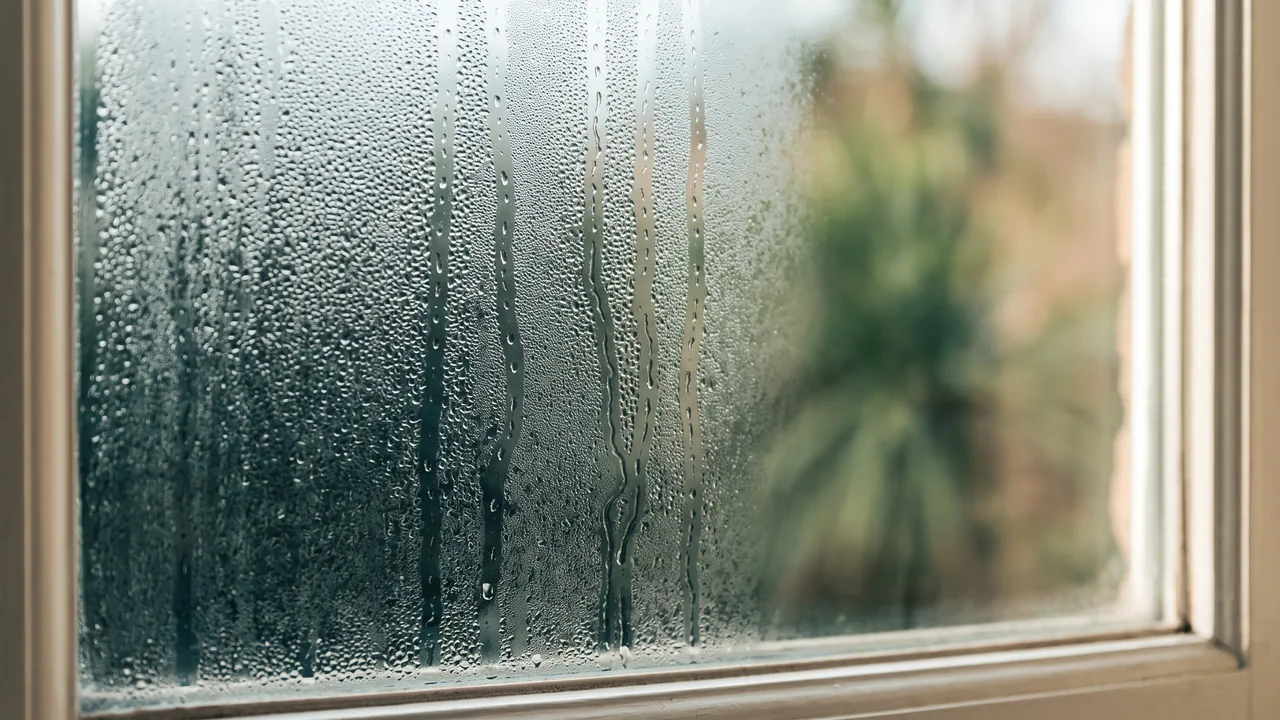
Airing a house only removes moisture if the air coming in is drier than the air going out. During monsoon rain, and on most nights, it is not. Opening windows at 9 pm in July lets in air that is already close to saturation, and it will condense on the first cool surface it finds.
Fresh air is not always dry air. In the monsoon, it is usually wetter than what you already have.
So: open up on dry, bright afternoons; close up in rain and at night. When the windows are closed, a dehumidifier does the ventilating for you.
Room by room: the monsoon checklist
Bedrooms
- Run a dehumidifier set to 50% in the evening and overnight, door and windows closed.
- Keep beds and wardrobes a few centimetres off outside walls.
- Strip and air the bed each morning; wash bedding weekly and dry it fully.
Wardrobes and almirahs
- Leave doors ajar for an hour a day, or run a dehumidifier in the room with them open.
- Don’t hang anything that is even slightly damp; don’t store leather in plastic.
- Moisture-absorber tubs help in small, closed cupboards — replace them when full.
- More in our guide to protecting clothes, books and leather.
Bathroom
- Use the extractor fan during showers and for 20 minutes after; keep the door shut so steam doesn’t spread.
- Squeegee tiles and glass, and hang towels to dry outside the bathroom.
- Check the ceiling and grout weekly for the first black spots — they are easiest to stop early.
Kitchen
- Lids on pots, and the hood or exhaust fan on while cooking rice, curries and kiribath — boiling releases a lot of steam.
- Store rice, flour, spices and tea in airtight containers; damp makes them clump and spoil.
Living room and study
- Pull sofas and bookcases slightly away from walls.
- Keep cameras, lenses, hard drives and documents in a dry cabinet or a dehumidified room — see what damp does to electronics.
- Pianos and guitars go out of tune and grow mould in wet air; aim for a steady 45–55%.
Laundry day
- Drying clothes indoors is one of the biggest sources of indoor moisture in the rainy season. Use one closed room with a dehumidifier running — clothes dry in hours and nothing smells.
Outside
- Clear gutters and drains before the rains start; check for roof leaks after the first storm.
- Keep soil and garden beds below the damp-proof course of outside walls.
After a flood
Flooding is a different problem from humidity. Get the water out, remove soaked carpets, mattresses and plasterboard, and dry the building as fast as possible — ideally within 24 to 48 hours, before mould takes hold. Larger dehumidifiers running with doors and windows closed dry walls and floors far faster than open windows in monsoon air. If electrical sockets or wiring were under water, have an electrician check them before using any appliance.
The bottom line
The monsoon is predictable; the damage it does indoors is optional. Know when your district’s season starts, ventilate only with dry air, and have the rooms that matter — bedrooms, wardrobes, stores — under a dehumidifier before the first heavy rain.
Questions readers ask
When is the most humid time of year in Sri Lanka?
It depends on where you live. The south-west monsoon, roughly May to September, brings the wettest months to Colombo, Galle, Ratnapura and the western hills. The north-east monsoon, roughly December to February, brings rain to Jaffna, Trincomalee, Batticaloa and the east. The inter-monsoon periods in March–April and October–November bring heavy thunderstorms island-wide.
Should I open windows during the monsoon to reduce damp?
Usually not while it is raining or at night, because the outdoor air is often wetter than the air inside. Open windows on dry, sunny afternoons when the outdoor humidity is lower, and use extractor fans in the bathroom and kitchen. Check the live outdoor humidity before airing the house.
How do I dry clothes indoors during the monsoon without mould?
Dry them in one closed room with a dehumidifier running and the door shut, spaced out on a rack. The dehumidifier captures the water that would otherwise soak into walls and furniture, and clothes dry in hours instead of days, without the musty smell.
Published . Spotted an error? Tell the desk.