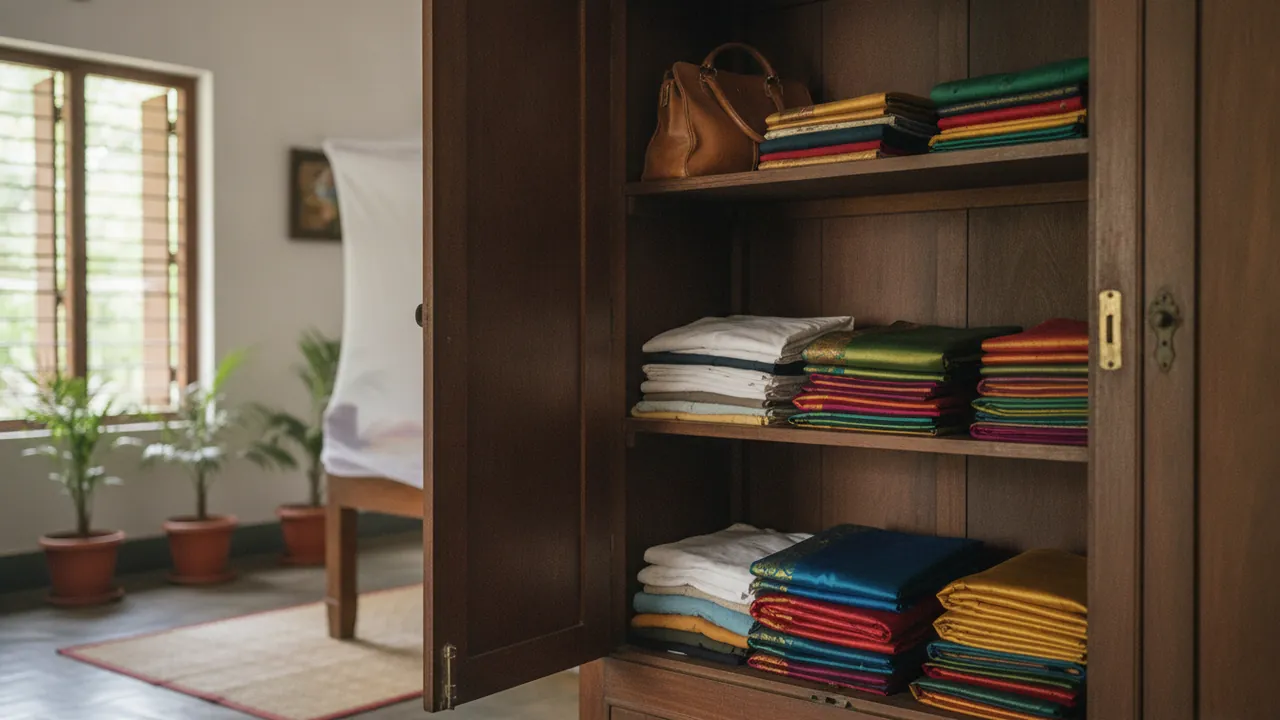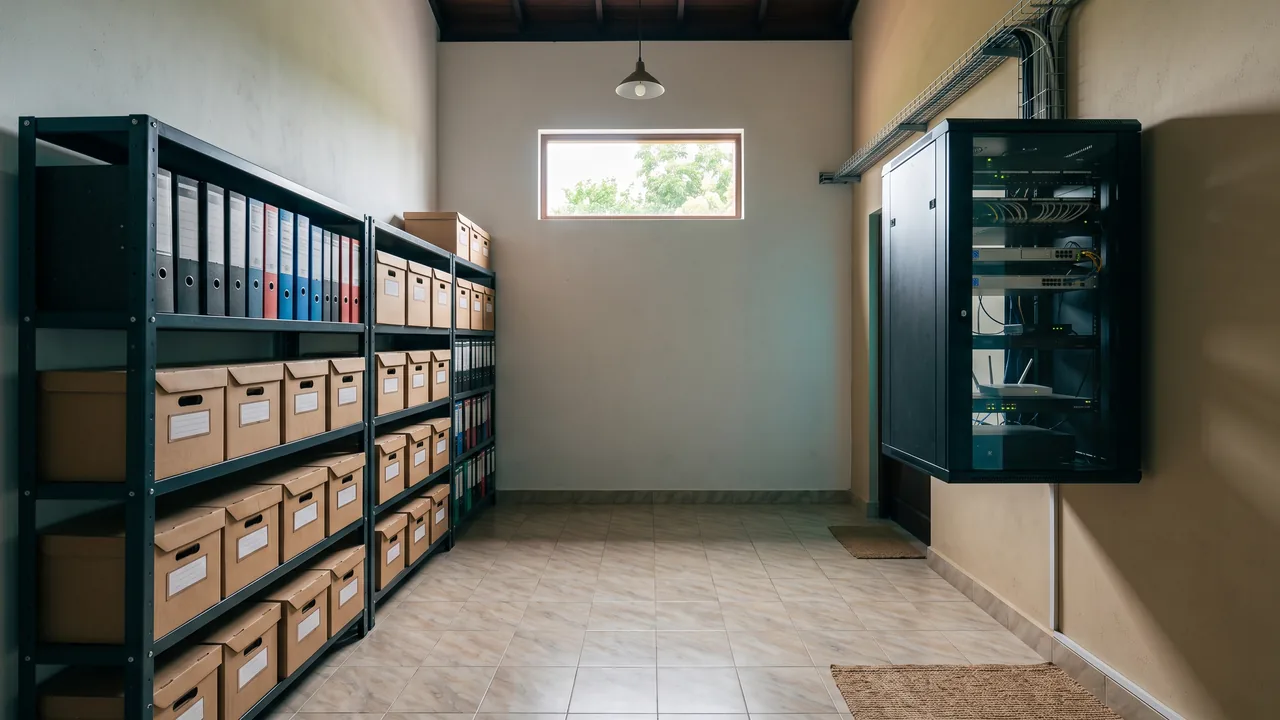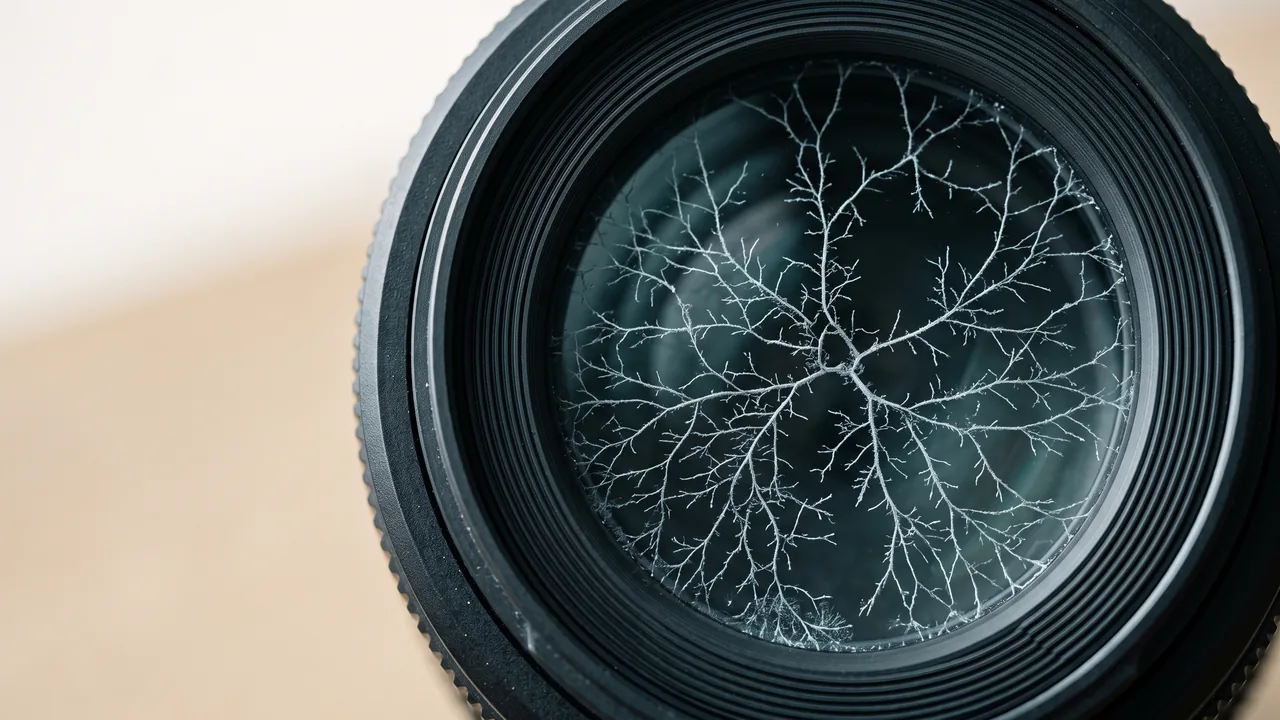
Every photographer in Sri Lanka learns one word early: fungus. A lens that cost as much as a motorbike, left in a cupboard through one monsoon, comes out with fine white threads spreading across the glass like frost. Often, there is no bringing it back.
Cameras are just the visible end of the problem. Humidity is working on everything with a circuit board or a metal contact in a Sri Lankan home — slowly, silently, and all year round.
How does humidity damage electronics?
Damp air causes three kinds of damage: corrosion of metal parts, condensation inside devices, and mould or fungus growth on glass, fabric and leather. All three accelerate when relative humidity stays above about 60%, and the island’s coastal salt air makes corrosion markedly worse.
- Corrosion. Moist air forms a microscopic film of water on metal. Add salt carried from the sea — Colombo, Negombo, Galle, Moratuwa and Trincomalee all get plenty — and that film becomes an electrolyte that eats connectors, solder joints, battery terminals and screws. The symptoms are frustratingly vague: a charging port that only works at an angle, a speaker that crackles, a board that fails for “no reason”.
- Condensation. Carry a phone, camera or laptop from a cold air-conditioned office into a 30 °C, 85% afternoon, and its surfaces are suddenly below the air’s dew point. Water forms on it — and inside it.
- Fungus and mould. Lens fungus feeds on the tiny traces of organic material on glass and coatings, and grows best in dark, still, damp storage. As it spreads it can etch the coatings and the glass itself.
Lens fungus is the most expensive way to discover your cupboard sits at 80% humidity.

What’s most at risk?
| Item | What humidity does | Target |
|---|---|---|
| Camera lenses & binoculars | Fungus, haze, etched coatings | 40–50% RH |
| Laptops, phones, tablets | Corroded ports and boards, battery faults | Below 60% RH |
| Hard drives & backup disks | Corrosion, bearing and board failure | Below 60% RH |
| Audio gear & instruments | Crackling pots, rusted strings, warped wood | 45–55% RH |
| Tools, gates, bicycles, car parts | Rust | Below 60% RH, dry storage |
| Documents & photographs | Foxing, sticking, mould | 40–50% RH |
How to protect your gear
1. Give valuable gear a dry home
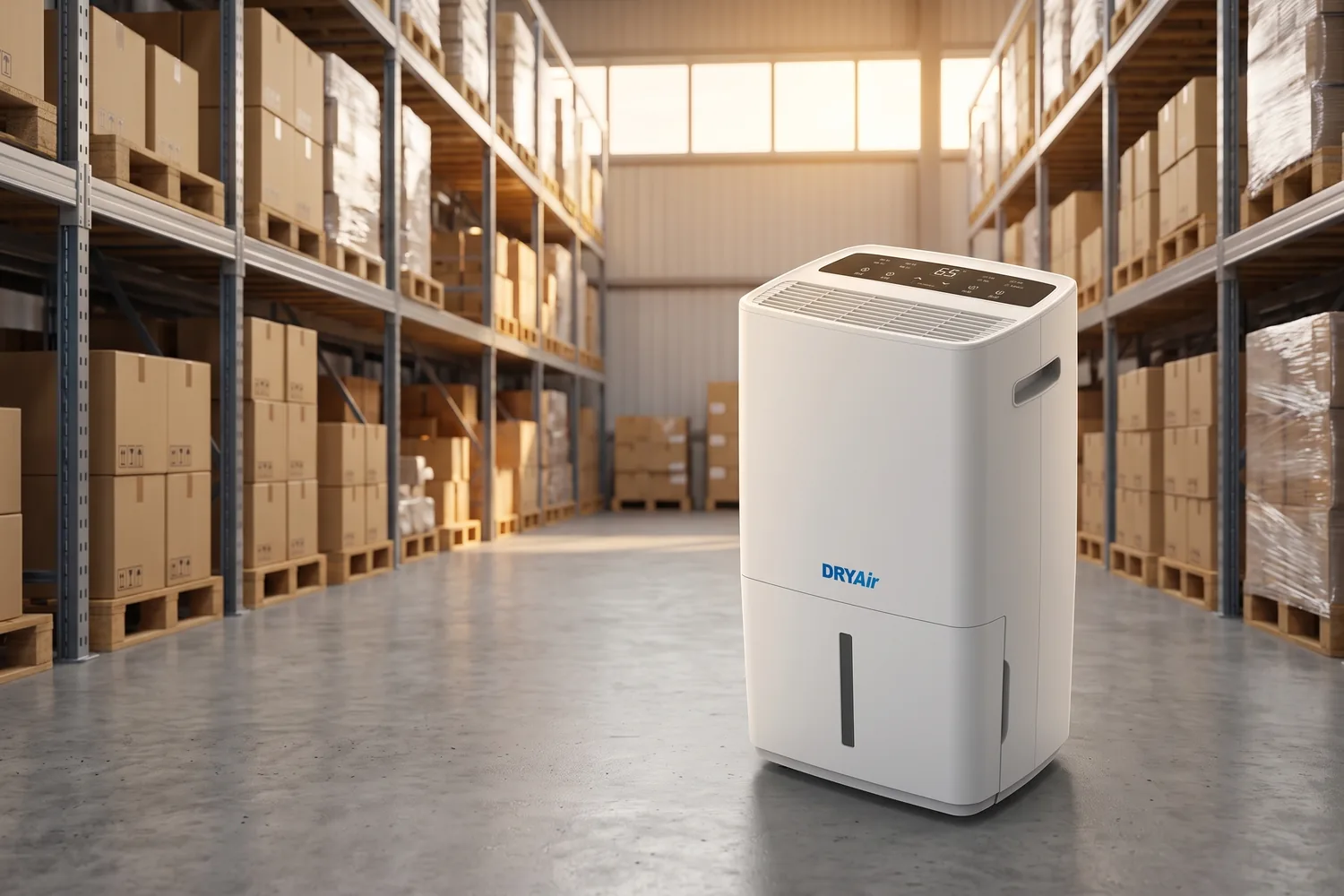
For a photographer’s kit, a dry cabinet — an electronic cabinet that holds its own humidity at around 40–50% — is the gold standard. For a home office, study, studio or anywhere with a lot of equipment, a dehumidifier in the room set to 45–50% protects everything at once, including the furniture and books.
2. Keep things moving
Fungus loves the dark and the still. Use lenses regularly; sunlight and air movement discourage growth. Don’t leave cameras in closed bags between trips.
3. Don’t trap the damp
Sealing a device in a plastic bag in humid air traps that air — and its water — inside with it. If you use airtight boxes, add fresh silica-gel packs and replace or re-dry them often; once saturated they do nothing.
4. Avoid the AC shock
When moving gear from an air-conditioned room into humid air, leave it in its closed bag for 20–30 minutes to warm up before you open it. Don’t switch on anything that is visibly fogged.
5. Wipe the salt
Near the coast, wipe metal surfaces and gate hinges with a lightly oiled cloth, and keep bikes and tools indoors in a dry space.
The bottom line
In Sri Lanka, electronics rarely die from one dramatic splash. They die from years of damp air. Keep the rooms where your gear lives below 60% — and the cabinets for your lenses and drives nearer 40–50% — and you will keep equipment working for years longer.
Questions readers ask
How do I prevent fungus on camera lenses in Sri Lanka?
Keep lenses somewhere with relative humidity around 40–50%, ideally a dry cabinet or a room with a dehumidifier. Use them regularly, since light and air movement discourage fungus, never store them damp or in a closed camera bag for months, and avoid sealing them in plastic. Once fungus etches the glass it is often permanent.
Can humidity damage a laptop or phone?
Yes, over time. High humidity and condensation cause corrosion on circuit boards, connectors and battery contacts, leading to intermittent faults, dead ports and failed boards. Keeping devices in rooms below about 60% humidity and avoiding sudden moves from a cold air-conditioned room into warm humid air reduces the risk.
Why does my equipment fog up when I take it outside?
When a device or lens that has been in a cold air-conditioned room meets warm humid outdoor air, it is below the air’s dew point, so water condenses on and inside it. Let gear warm up gradually in a closed bag before opening it, and avoid switching electronics on while they are fogged.
Published . Spotted an error? Tell the desk.