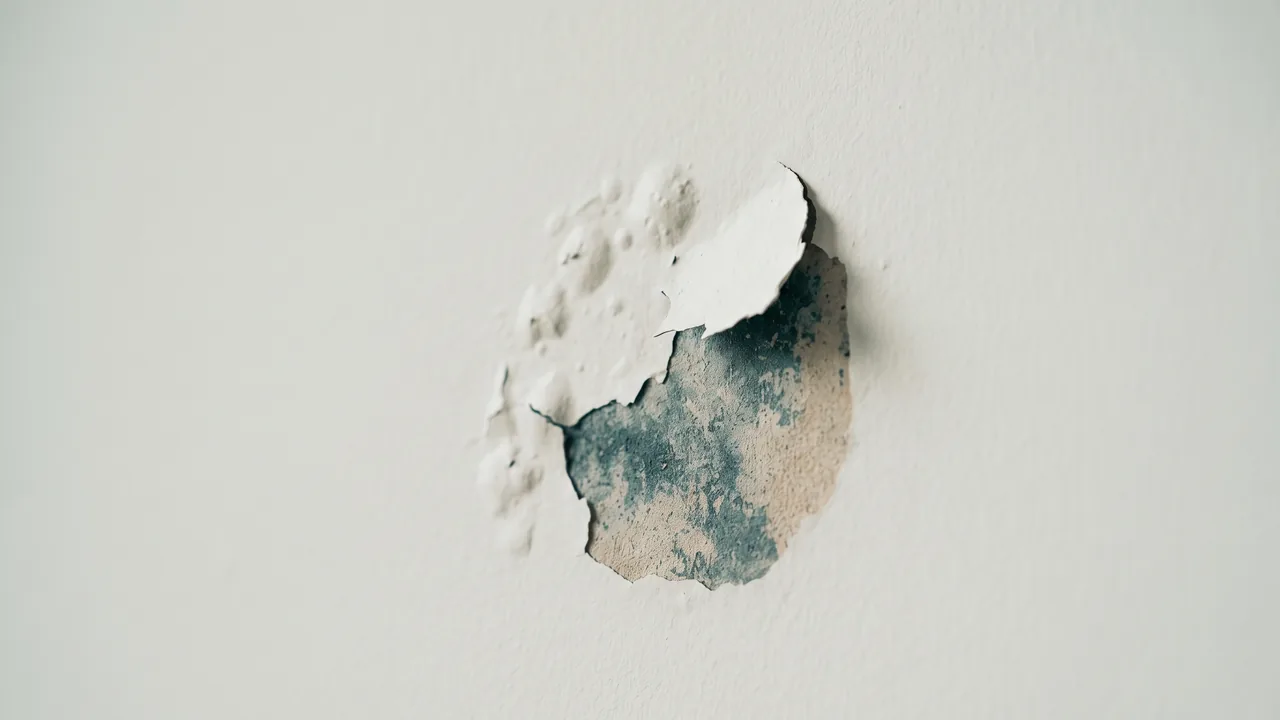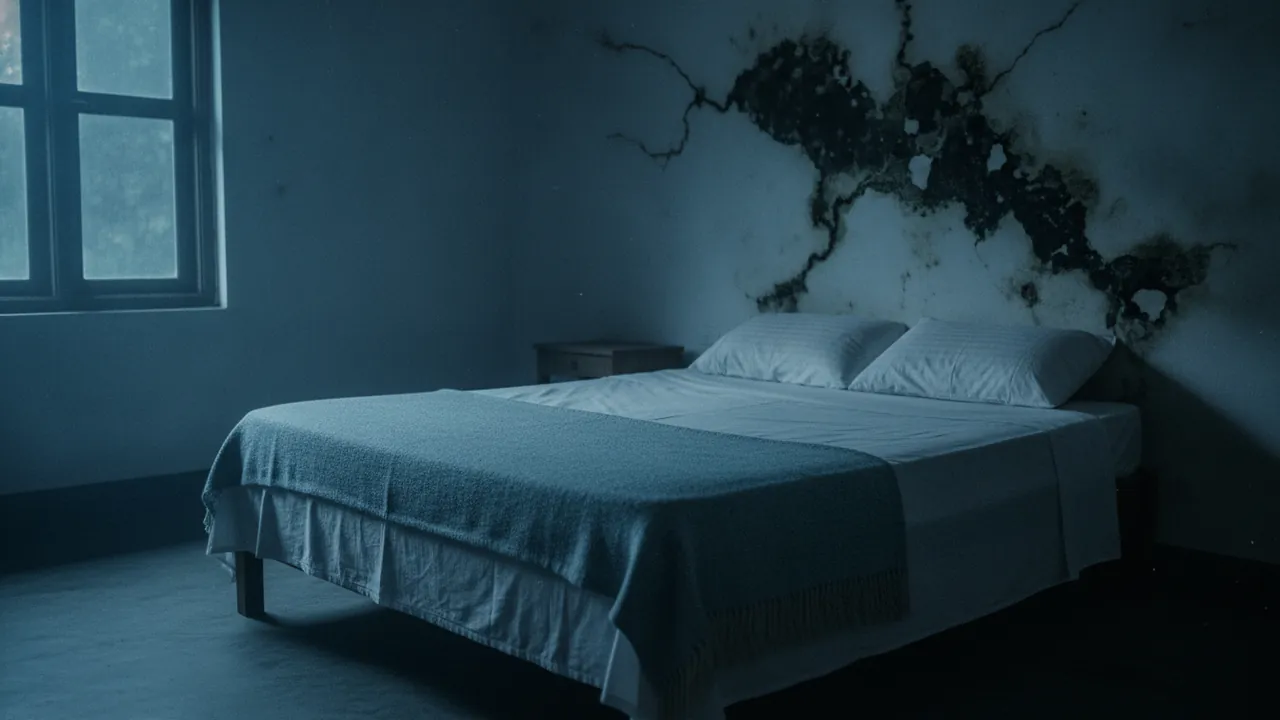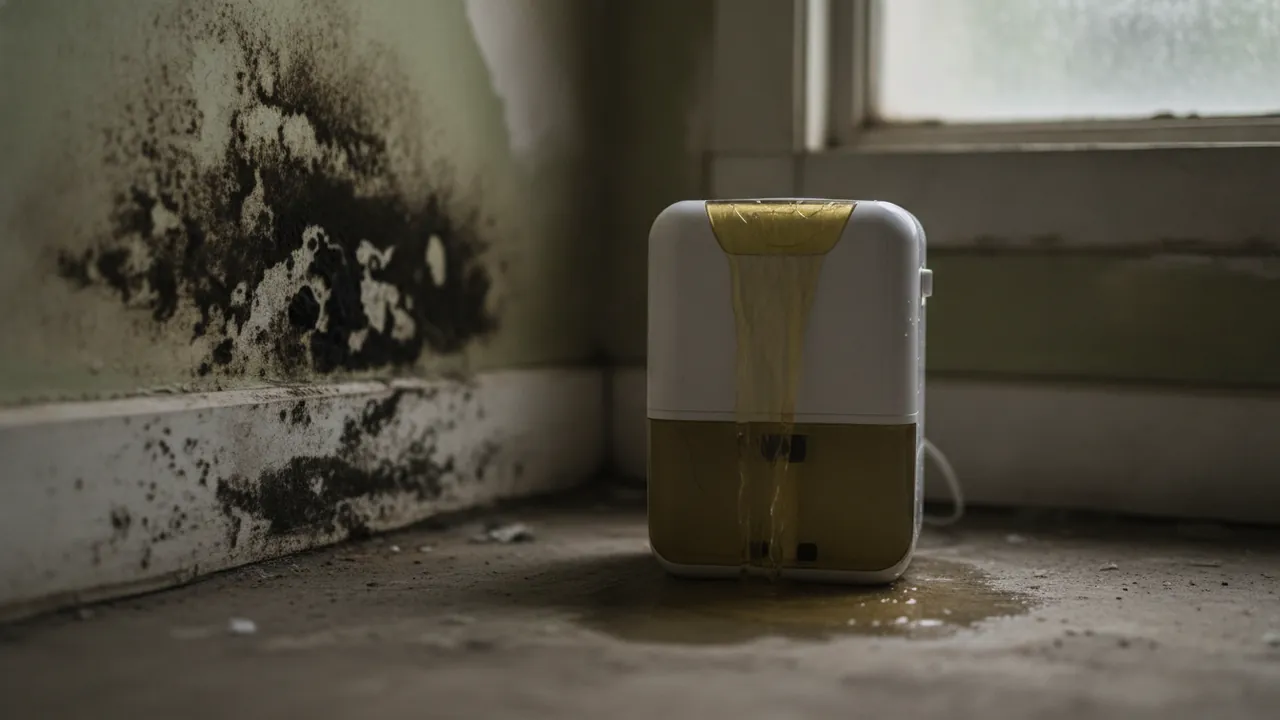
The listing looked perfect: compact, quiet, a fraction of the price of “the expensive ones”. It arrived, hummed politely in the corner, and after a day of running the tank held about a cupful of water. A month later the wardrobe smelled exactly the same, and the black spots were back on the bathroom ceiling.
That is the cheap dehumidifier trap. And it usually ends with buying a second one.
Why do so many first dehumidifiers disappoint?
Because the wrong type or size simply cannot remove enough water. A Sri Lankan room in the monsoon can need several litres of water a day taken out of its air. Tiny thermoelectric “mini” units manage a few hundred millilitres; undersized compressor units run flat out without ever reaching a healthy humidity. The machine is working — it is just losing.
Here are the six mistakes behind most disappointments.
Mistake 1: Buying a “mini” dehumidifier for a room
Mini units use a thermoelectric (Peltier) plate instead of a compressor. They are small, cheap and quiet — and they remove very little water. They can help a sealed wardrobe or a shoe cupboard. They cannot dry a bedroom, let alone a living room. If the product listing gives capacity in millilitres, it is not a room dehumidifier.
Mistake 2: Ignoring litres per day — or the test conditions
Capacity should be stated in litres per day at 30 °C and 80% relative humidity, conditions close to a Sri Lankan monsoon afternoon. A figure with no test conditions, or quoted at unrealistic ones, tells you nothing. Compare like with like.
Mistake 3: Buying for the room you wish you had
Size by floor area, then go one step up for ground floors, rooms with visible mould, or spaces where doors open often. As a rule of thumb: 12 L/day to about 34 m², 20 L/day to about 50 m², 35 L/day to about 80 m², 50 L/day to about 110 m². (The full sizing guide.) DRYAir’s online size calculator does the maths for you.
A dehumidifier that is too small doesn’t dry the room more slowly. It never dries it at all.
Mistake 4: No humidistat
Without an adjustable humidistat you can’t set a target such as 50%. The unit either runs flat out — wasting electricity — or switches off at a fixed point that may still be too damp. Always choose a model where you set the humidity and it holds it.
Mistake 5: Forgetting the power cuts and the bucket
After a CEB interruption, a unit without auto-restart stays off until someone notices — often days later. And a small tank in a damp room fills overnight and stops the machine. For stores, basements or anything running 24/7, choose a model with a continuous-drain outlet.
Mistake 6: No one to call when it breaks
A dehumidifier is a compressor appliance, like a fridge. If it is imported by an unknown online seller, there may be no warranty in Sri Lanka, no spare parts and no technician. A modest saving can turn into a dead unit with no repair options. Buy from a seller with a local warranty and their own service team.
Which dehumidifier should you buy in Sri Lanka?
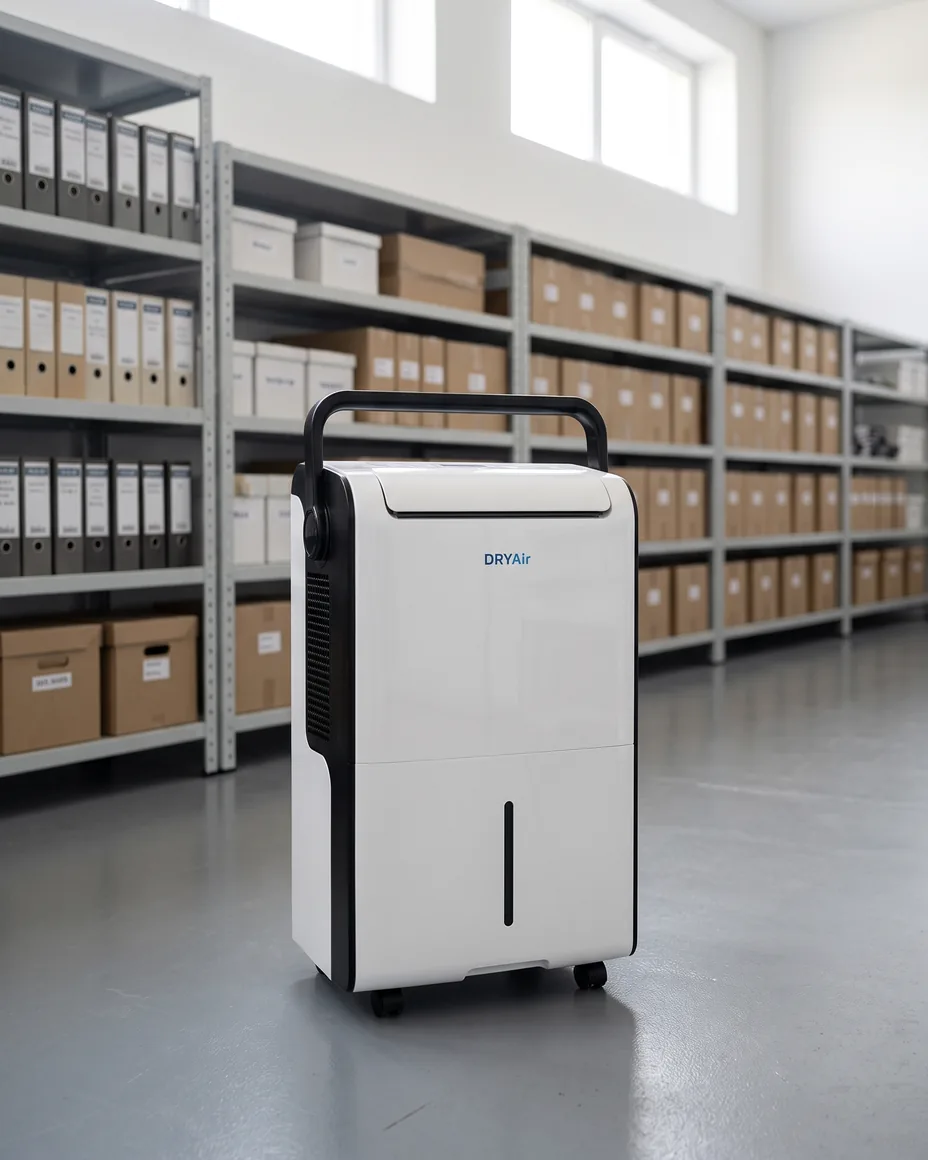
A compressor dehumidifier sized to the room’s floor area, with a humidistat, auto-restart and a drain option, from a seller with a local warranty and service team. DRYAir — Sri Lanka’s dehumidifier specialist since 2016 — sells four compressor models matched to the sizing rule above, from the whisper-quiet DA-12LC for bedrooms to the DA-50L for warehouses. Each carries a 365-day warranty serviced by DRYAir’s own Colombo team; the terms are on its refund, return and warranty policy page. Compare the range at dryair.lk/products, or read seven dehumidifier myths, busted before you decide.
The bottom line
The cheapest dehumidifier is the one you only buy once. Choose a compressor unit sized for the room, with a humidistat, auto-restart and a drain option, from a seller who will still answer the phone next year.
Questions readers ask
Do mini dehumidifiers work?
Small thermoelectric (Peltier) mini dehumidifiers remove only a small amount of water — often a few hundred millilitres a day in ideal conditions. That can help a sealed cupboard, but it cannot dry a Sri Lankan bedroom that may need several litres a day removed. For a room, choose a compressor dehumidifier sized by floor area.
What should I check before buying a dehumidifier in Sri Lanka?
Check the capacity in litres per day at 30 °C and 80% humidity, the floor area it is rated for, an adjustable humidistat, auto-restart after power cuts, tank size and continuous-drain option, the noise level for bedrooms, and above all a local warranty with a service team that can repair the compressor and supply parts.
Sources
- US Environmental Protection Agency — A Brief Guide to Mold, Moisture and Your Home
- ASHRAE — Standard 55: Thermal Environmental Conditions for Human Occupancy
Guidance from these bodies is general; figures for Sri Lanka come from our own reporting and DRYAir’s field experience.
Published . Spotted an error? Tell the desk.