Dehumidifiers are still new to many Sri Lankan households, and new appliances attract myths. These are the seven we hear most often — and what is actually true.
Myth 1: “A dehumidifier will double my electricity bill.”
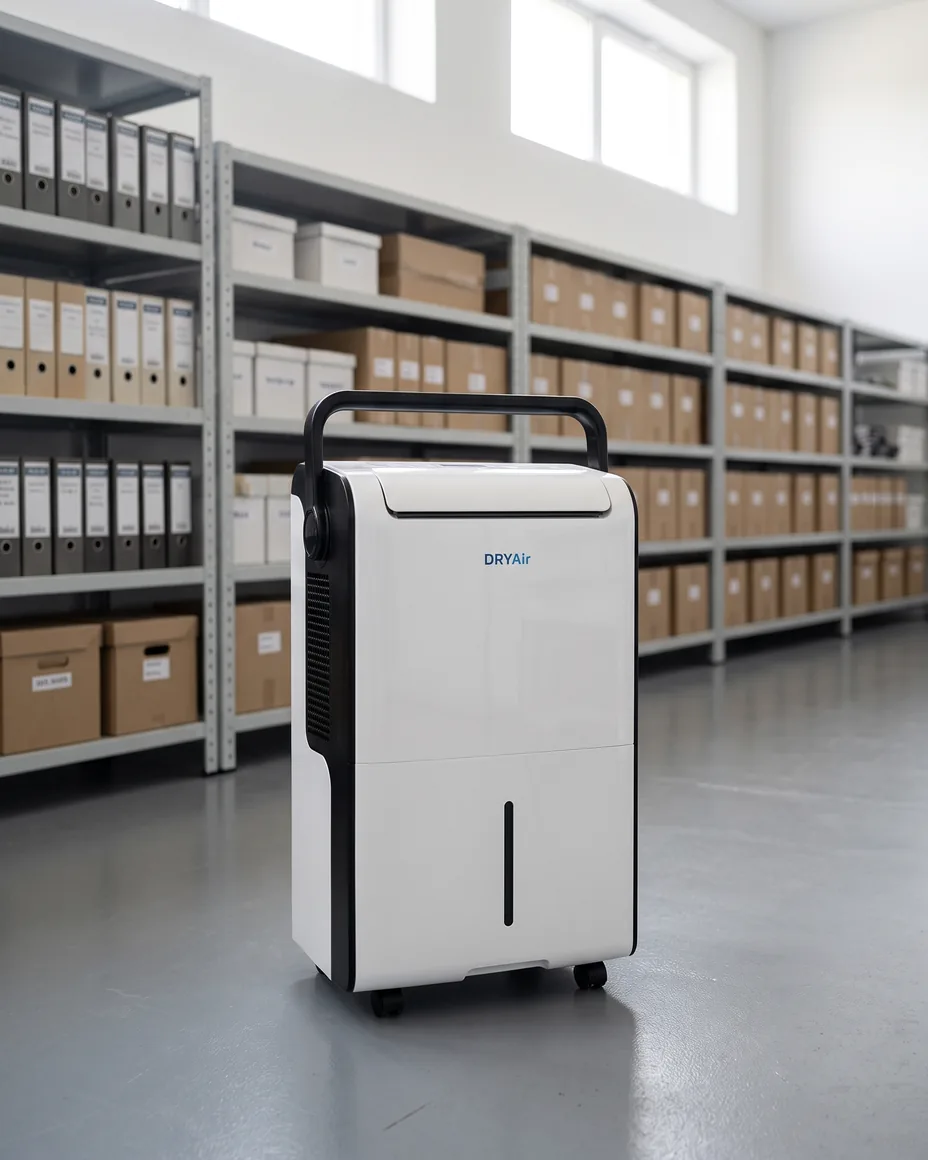
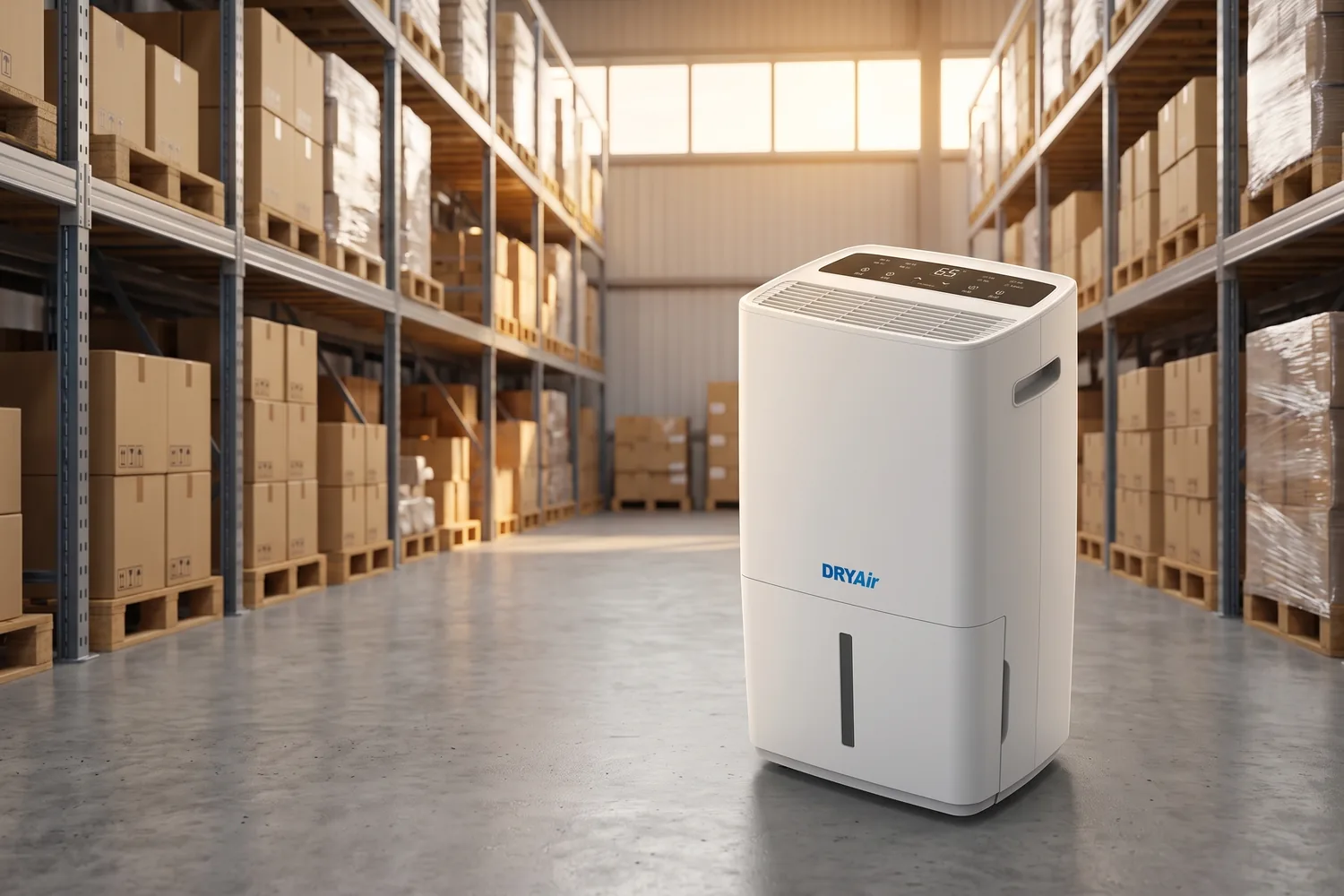
Mostly false. A dehumidifier uses power mainly while its compressor is running. With a humidistat set to around 50%, it runs hard at first — while it pulls the stored moisture out of the walls, mattress and furniture — and then cycles on and off to hold the level. A correctly sized unit in a closed room spends much of its day idling.
To estimate your own cost: rated watts × hours the compressor runs ÷ 1,000 = units (kWh), then multiply by the rate on your CEB or LECO bill. What pushes costs up is the wrong setup: a unit too small for the room, a door left open to the monsoon, or a humidistat set to 30%.
The cheapest dehumidifier to run is one sized for the room, with the door closed and the dial on 50%.
And weigh it against what it saves: a mouldy mattress, a fungus-etched lens, a wardrobe of spoiled clothes, or a repaint every year.
Myth 2: “My air conditioner already dehumidifies.”
Partly true, mostly misleading. An AC removes water only while it is actively cooling. Once the room hits the set temperature, drying largely stops — which is why air-conditioned rooms so often feel cold and clammy, and why the walls they chill grow mould. Most homes also don’t run the AC all day, and never in wardrobes, stores or corridors. How the two machines differ.
Myth 3: “It will make the room too dry.”
False, if it has a humidistat. You set a target — 45–55% is ideal — and the machine stops when it gets there. Air only becomes uncomfortably dry below about 40%, and in Sri Lanka’s climate a normal home dehumidifier would struggle to get a room that low even if you tried.
Myth 4: “A bowl of rice, salt or charcoal will dry the cupboard.”
False. Rice, salt and charcoal absorb a little moisture, but a single bedroom holds up to about a litre of water vapour at any moment, and the monsoon replaces it constantly. A cupful of rice can hold only a small fraction of that before it is saturated — and then it starts to spoil. Calcium-chloride absorber tubs are better for a small sealed drawer, but for a room you need to remove litres a day. Only a dehumidifier does that.
Myth 5: “Opening the windows is enough.”
Only on dry days. Ventilation swaps indoor air for outdoor air. When the outdoor air is drier — a bright dry-season afternoon — that helps. During monsoon rain, and on most nights, the outdoor air is wetter than what you already have. Our monsoon guide explains when to open up and when to close.
Myth 6: “Dehumidifiers are only for cold countries.”
Backwards. Warm air holds far more water than cold air, so tropical countries have far more moisture to remove. The standard test condition for dehumidifier capacity — 30 °C and 80% humidity — looks like an ordinary Colombo afternoon.
Myth 7: “Once the mould is cleaned, the problem is solved.”
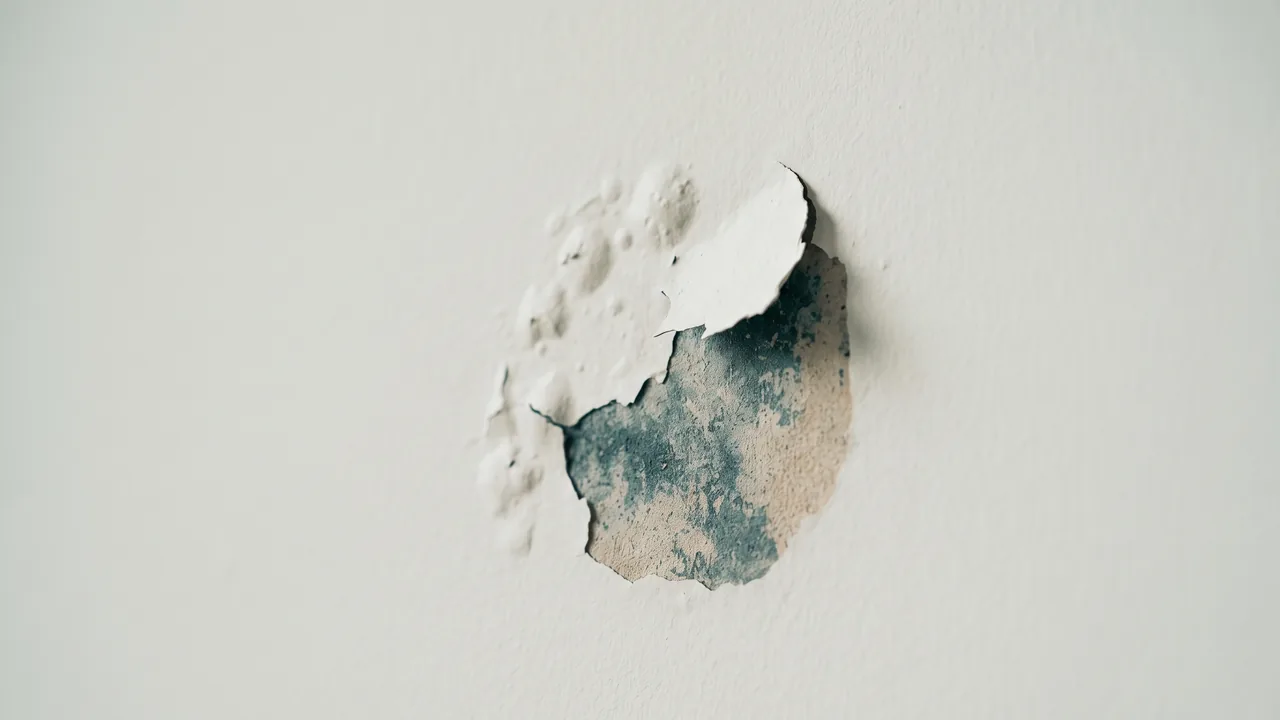
False. Mould spores are always in the air. If the room stays above about 60% humidity, they land on the same wall and grow again within weeks. Cleaning removes the stain; dry air removes the reason. Why mould comes back.
Questions readers ask
Do dehumidifiers use a lot of electricity?
Less than many people expect, if the unit is sized correctly and set to a humidity target. A dehumidifier uses power mainly while its compressor runs, and once the room reaches the set level it cycles on and off. Estimate cost by multiplying the rated watts by the hours the compressor runs, dividing by 1,000 for units (kWh), and multiplying by your electricity tariff.
Can a dehumidifier make a room too dry?
Not if it has a humidistat and you set it sensibly. Set it to 45–55% and it switches off when the room reaches that level. Rooms only become uncomfortably dry below about 40%, which is very hard to reach in Sri Lanka’s climate with a normal dehumidifier.
Should a dehumidifier run all day?
It can stay switched on all day with the humidistat set to around 50%, because it will only run its compressor when the humidity rises above the target. Keep doors and windows of the room closed while it runs so it is drying the room, not the outdoors.
Published . Spotted an error? Tell the desk.