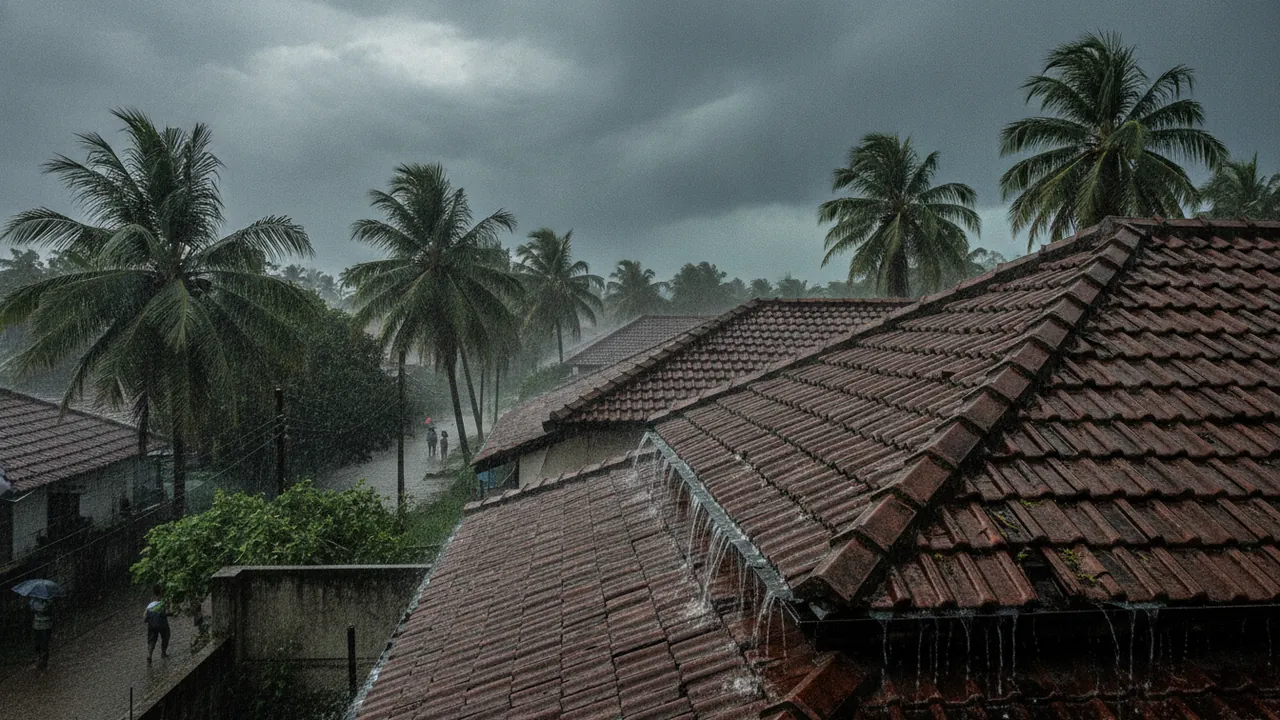
The monsoon is easy to see outside: the black clouds rolling in, the drains overflowing, the roads turning into rivers. What is much harder to see is the moment it comes inside.
It doesn’t come through the door. It comes through the air — and it leaves clues long before the first black spot appears on the ceiling.
How do you know the monsoon has got into your house?
Look for small changes in how the house smells, feels and behaves. A musty smell, washing that won’t dry, sticking doors, sweating windows and clumping salt all mean the same thing: indoor humidity has climbed high enough for mould, mites and corrosion to get to work. In the wet zone during the south-west monsoon, an unconditioned room can sit above 85% for weeks at a time.
Here are the seven signs, roughly in the order they appear.
1. The smell
A faint, earthy, stale smell when you walk in from outside — strongest in bedrooms, wardrobes and bathrooms. That is the scent of microbes already growing somewhere. You stop noticing it within minutes, which is exactly why it’s dangerous.
2. Washing that will not dry
Clothes hung indoors stay damp for two or three days and come off the rack smelling sour. The air is already so full of water that it can’t take much more from your laundry.
3. Salt that won’t pour and biscuits that go soft
Salt clumps in the shaker, sugar cakes in the jar, crackers go limp an hour after opening. Your kitchen is a humidity gauge.
4. Doors and drawers that stick
Wooden doors that closed easily in February now jam. Timber swells as it absorbs moisture from the air.
5. Sweating windows and cold walls
Water beads on the inside of windows in the morning; outside walls feel cold and slightly clammy at dawn. That’s condensation — and wherever it forms regularly, mould follows.
6. Rust and tarnish
Orange spots on window grilles, screws, tools and gate hinges; silver and brass tarnishing faster than usual; a laptop charger that starts working only at an angle.
7. The first spots
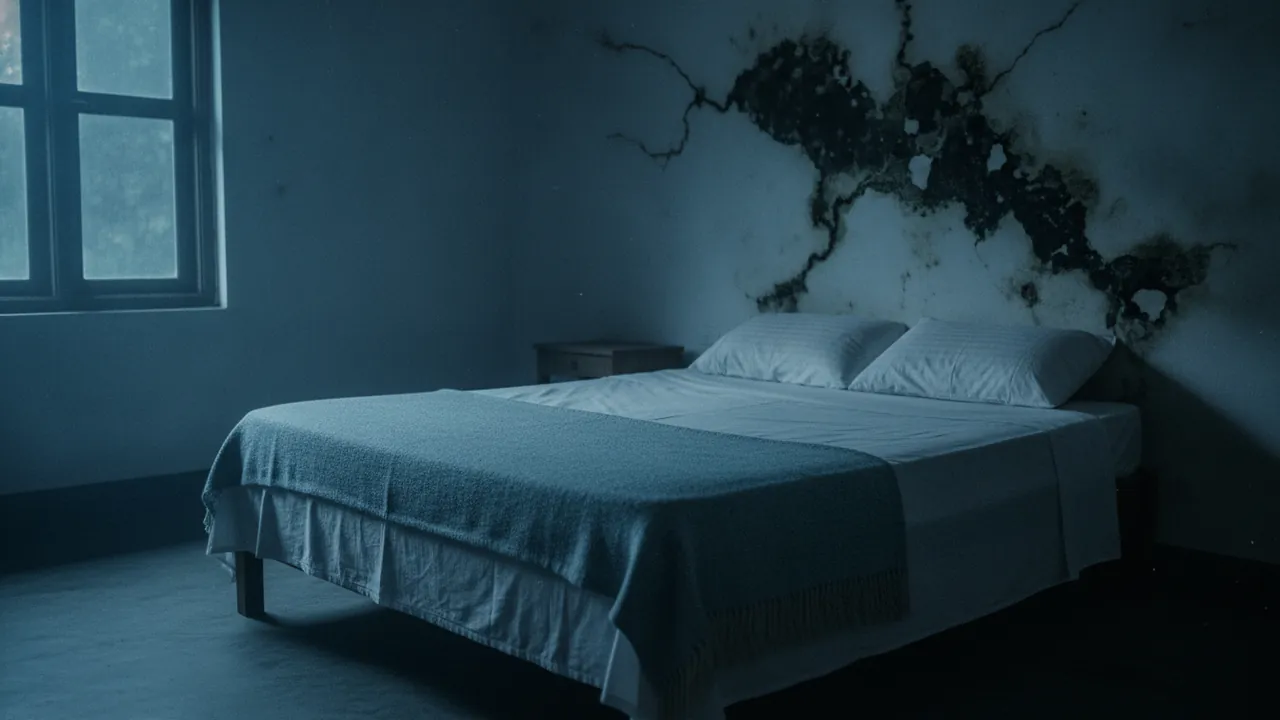
Small grey, green or black dots in corners, on the bathroom ceiling, around the AC, on the back of a wardrobe or on a leather bag. By now, the damp has been winning for a while.
By the time you can see mould, the air has usually been wet enough to grow it for a week or more.
What should you do when you spot the warning signs?
Measure the humidity, keep windows closed in rain and at night, dry the bedrooms and wardrobes first with a dehumidifier set to 50%, clean any spots straight away and fix visible leaks.
- Measure. A digital hygrometer costs a few hundred rupees. Put it in the bedroom overnight.
- Close up in the rain and at night. Open windows only on bright, dry afternoons — monsoon air is usually wetter than the air inside. (The full monsoon survival guide.)
- Dry the rooms that matter first — bedrooms, wardrobes, the room where laundry dries, any store or study. A dehumidifier set to 50% stops signs 1 to 7 in their tracks. DRYAir’s monsoon humidity checklist is a good companion to this one.
- Clean the first spots immediately, before they spread.
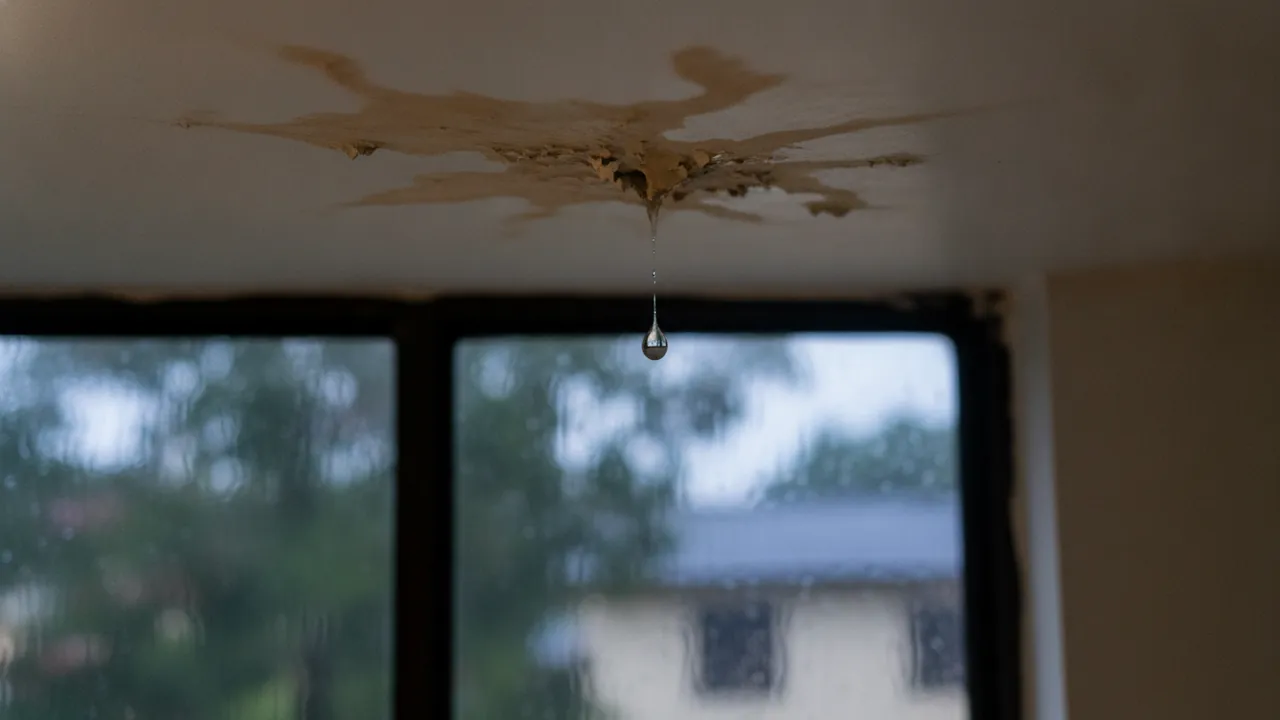
- Fix the water you can see — gutters, drains, leaking windows — so the dehumidifier isn’t fighting a leak.
Not sure which size? DRYAir’s size calculator or our room sizer will match a unit to your room in a few taps.
The bottom line
The monsoon gives plenty of warning before it does real damage indoors. The smell, the laundry, the sticky door — each one is the house telling you the air is too wet. Listen to the first sign, not the seventh.
Questions readers ask
How do I know if my house has a humidity problem?
Watch for a musty smell, laundry that takes days to dry, doors and drawers that stick, condensation on windows in the morning, clumping salt and sugar, rust on metal, and mould spots in corners or behind furniture. A digital hygrometer confirms it — readings above 60–65% for days mean the house needs drying.
What humidity is too high inside a house?
Indoor relative humidity consistently above about 60% is too high — mould can grow and dust mites thrive. The healthy range is 40–60%, and 45–55% is the best target. During Sri Lanka’s monsoons unconditioned rooms often sit above 80%.
Sources
- Department of Meteorology, Sri Lanka — Climate and weather information for Sri Lanka
- US Environmental Protection Agency — A Brief Guide to Mold, Moisture and Your Home
- World Health Organization — WHO Housing and health guidelines (2018)
Guidance from these bodies is general; figures for Sri Lanka come from our own reporting and DRYAir’s field experience.
Published . Spotted an error? Tell the desk.