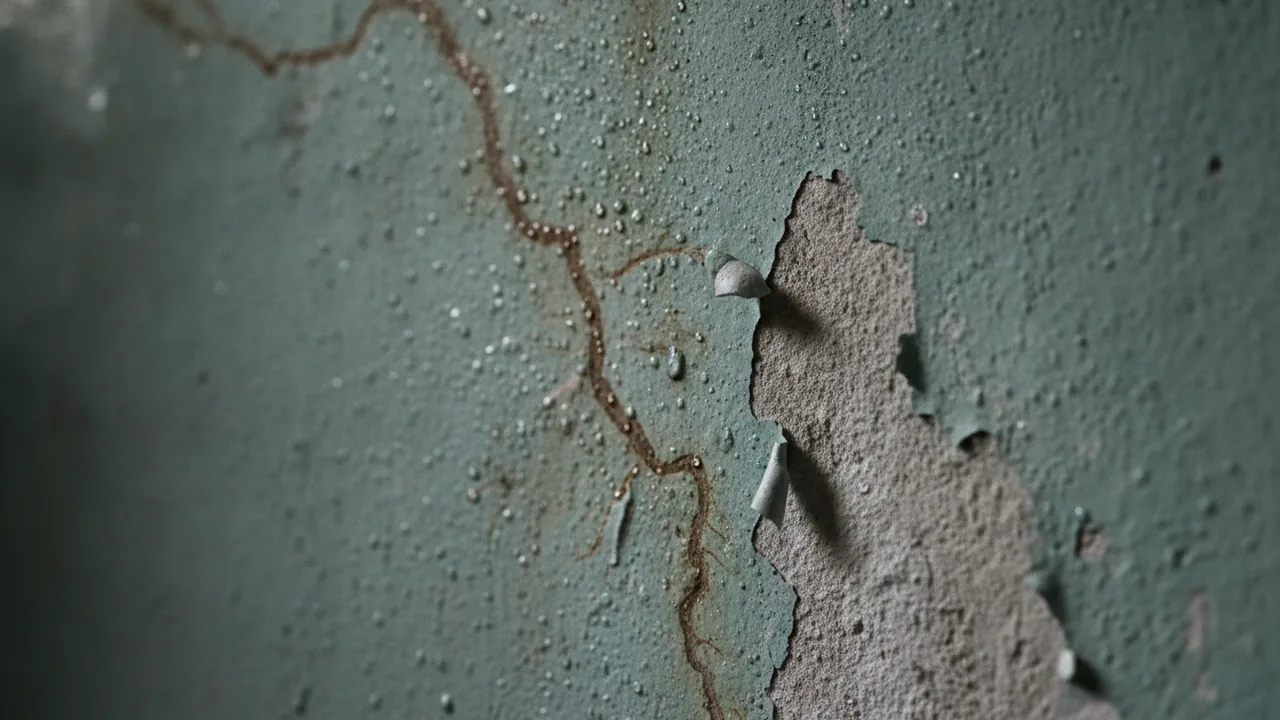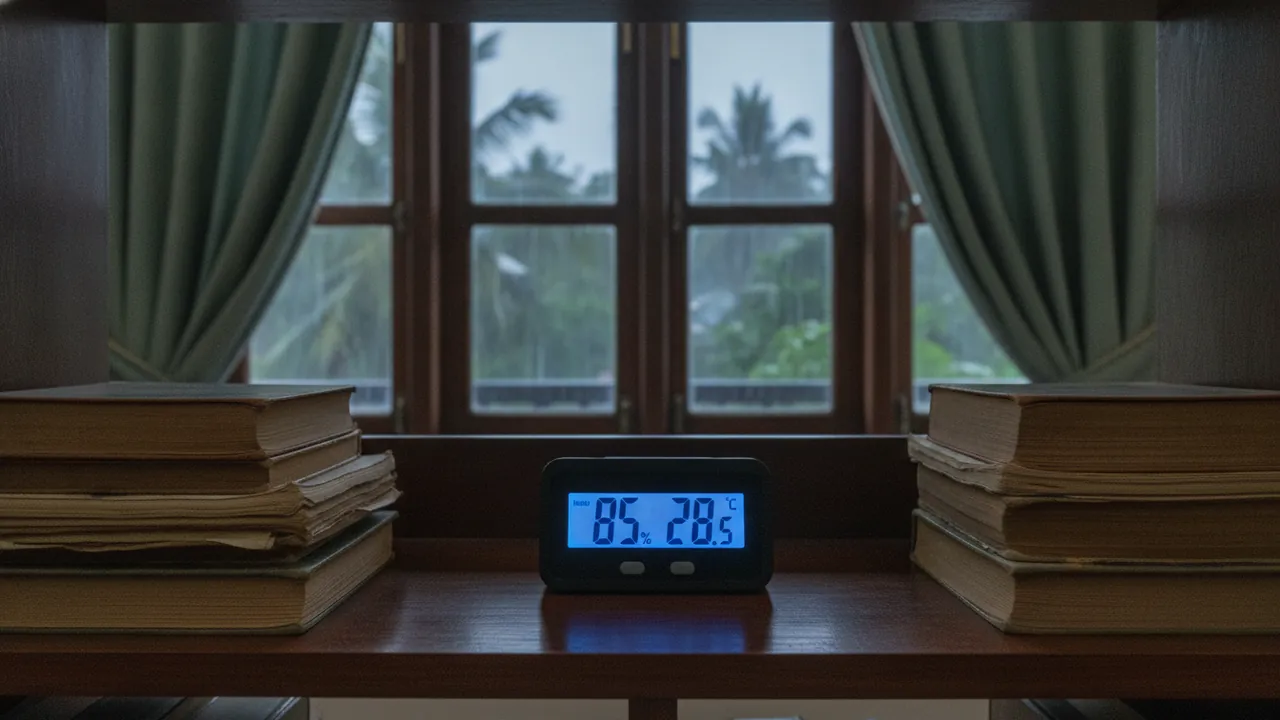
Ask a Colombo family whether their house is damp and most will say no. The fan is on, the AC runs at night, the floors are clean. Then they put a hygrometer on the bedroom shelf for a night, and the screen says 78%.
Your skin is a poor humidity sensor. A fan blowing across your face makes 80% air feel pleasant. Air-conditioning makes a damp room feel cool. You only notice humidity when it is extreme — and by then the wardrobe already smells.
What is a hygrometer and why do you need one?
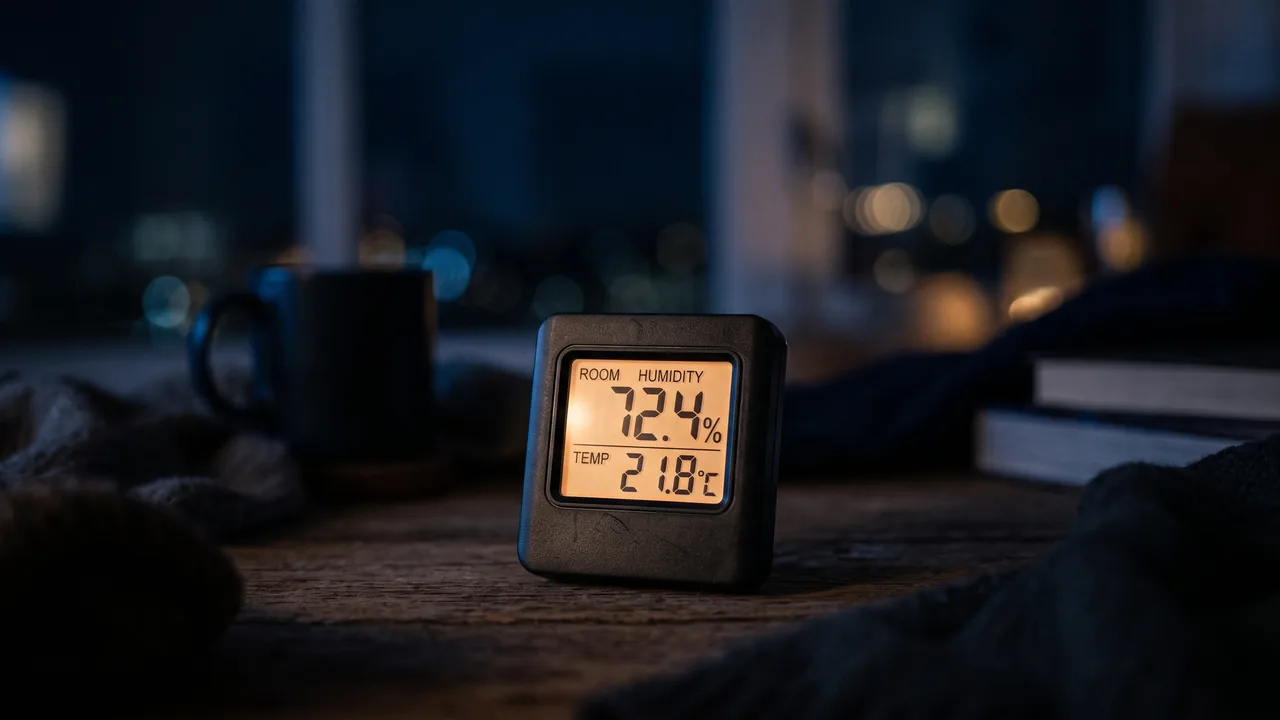
A hygrometer is a small device that measures relative humidity — how much water vapour the air is holding compared with the most it could hold at that temperature. A basic digital one costs a few hundred to a couple of thousand rupees and shows humidity and temperature side by side. It is the only way to know whether a room sits in the healthy 45–55% band or in the 70–85% range where mould and dust mites thrive.
Without a number, you are guessing — and in Sri Lanka, the guess is almost always too optimistic.
You can’t fix what you can’t measure. A hygrometer turns “it feels a bit stuffy” into “it’s 78%, and that’s why.”
Where should you put it?
Placement changes the reading more than people expect:
- At chest or bed height, in the middle of the room if possible.
- Away from windows and outside doors, which bring in bursts of outdoor air.
- Away from the bathroom door, kettles and rice cookers, which create local steam.
- Not in direct sunlight — a sun-warmed sensor reads low humidity.
- Not under an AC outlet or fan, which gives a misleading local reading.
- Leave it an hour before trusting the number.
For a wardrobe or almirah, put a second small hygrometer inside on a middle shelf and keep the doors closed overnight.
When should you read it?
Humidity changes through the day. Warm afternoons usually read lower; cool nights and early mornings read higher, because cooler air holds less water. The number that matters for mould and dust mites is the night-time and early-morning one.
A useful routine for one week:
- Read it at bedtime and when you wake up.
- Note the numbers on your phone.
- Compare rainy days and dry days, and door open versus closed.
The pattern tells you more than any single reading.
What do the numbers mean?
| Reading | What it means |
|---|---|
| Below 40% | Dry — rare in Sri Lanka; eyes, skin and wood may feel it |
| 40–60% | Healthy range |
| 45–55% | The sweet spot for homes |
| 60–70% | Warning zone — mould possible on cool surfaces, mites comfortable |
| 70%+ | Mould weather indoors; most unconditioned wet-zone rooms in the monsoon |
Compare your indoor reading with the outdoor humidity for your city on our live Humidity Index. If they are nearly the same, your room has no defence against the weather.
What to do with the result
- Under 60% most of the time? Good. Keep an eye on it in the monsoon.
- 60–70%? Improve airflow, pull furniture off outside walls, and dry the worst room. (Warning signs the monsoon has moved in.)
- Above 70% for days? The room needs active drying. Use our damp-risk calculator with your reading, then the room sizer — or DRYAir’s size calculator.
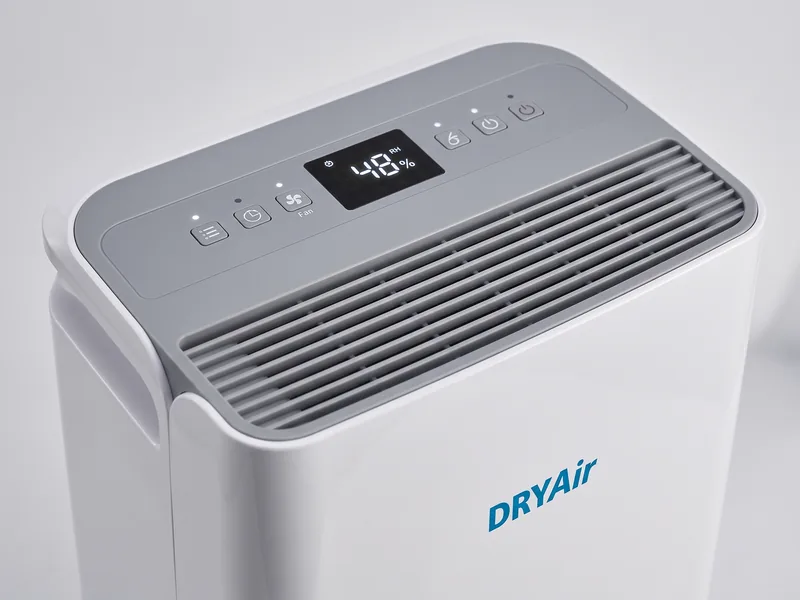
Good news: every DRYAir model has a built-in humidistat, so once the room is dry the dehumidifier holds your chosen level automatically. The DA-12LC suits a bedroom; the DA-20L a living room or apartment. Keep the hygrometer anyway — it is how you know the machine is doing its job.
The bottom line
The cheapest instrument in your house might be the most important one. Put a hygrometer in the bedroom tonight. If the morning number starts with a 7 or an 8, you have just found the cause of the smell, the spots and the stuffy nights.
Questions readers ask
What is a hygrometer?
A hygrometer is a small instrument that measures relative humidity — how much moisture the air holds compared with the maximum it could hold at that temperature. Cheap digital models show humidity and temperature together and are sold in hardware, electronics and online shops in Sri Lanka.
How accurate are cheap digital hygrometers?
Most inexpensive digital hygrometers are accurate to within a few percentage points, which is good enough to tell a healthy 50% room from a mould-prone 75% one. You can check a unit with the salt test — sealed beside a damp salt paste, a working hygrometer should settle near 75%.
Where should I put a hygrometer?
At about chest or bed height in the room you care about, away from windows, bathrooms, kettles, air-conditioner outlets and direct sunlight. Leave it for at least an hour before reading, and check at night and early morning, when humidity is usually highest.
Sources
- US Environmental Protection Agency — A Brief Guide to Mold, Moisture and Your Home
- US Environmental Protection Agency — Mold Course, Chapter 2: why mold grows and how moisture gets indoors
- Open-Meteo — Free weather API (source of the live readings on this site)
Guidance from these bodies is general; figures for Sri Lanka come from our own reporting and DRYAir’s field experience.
Published . Spotted an error? Tell the desk.