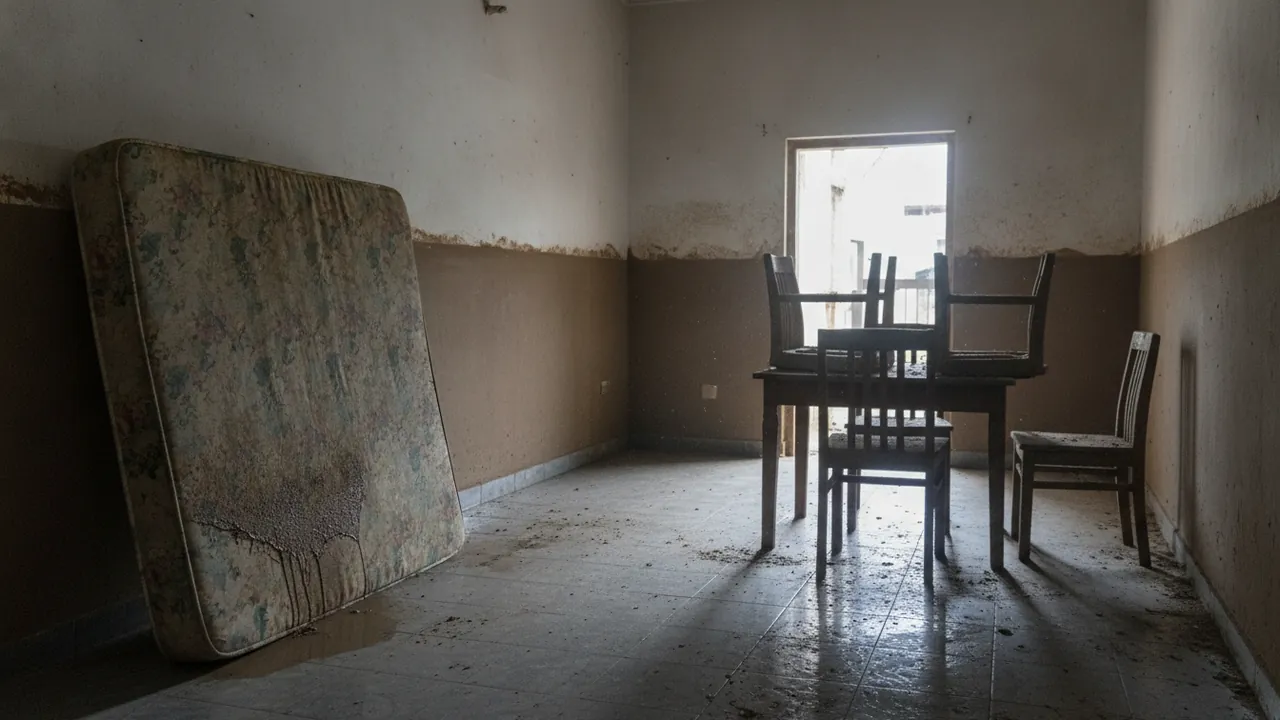
When the water finally drains out of the house, it feels like the end. Families sweep out the mud, drag the ruined mattress into the garden, mop the tiles and breathe again.
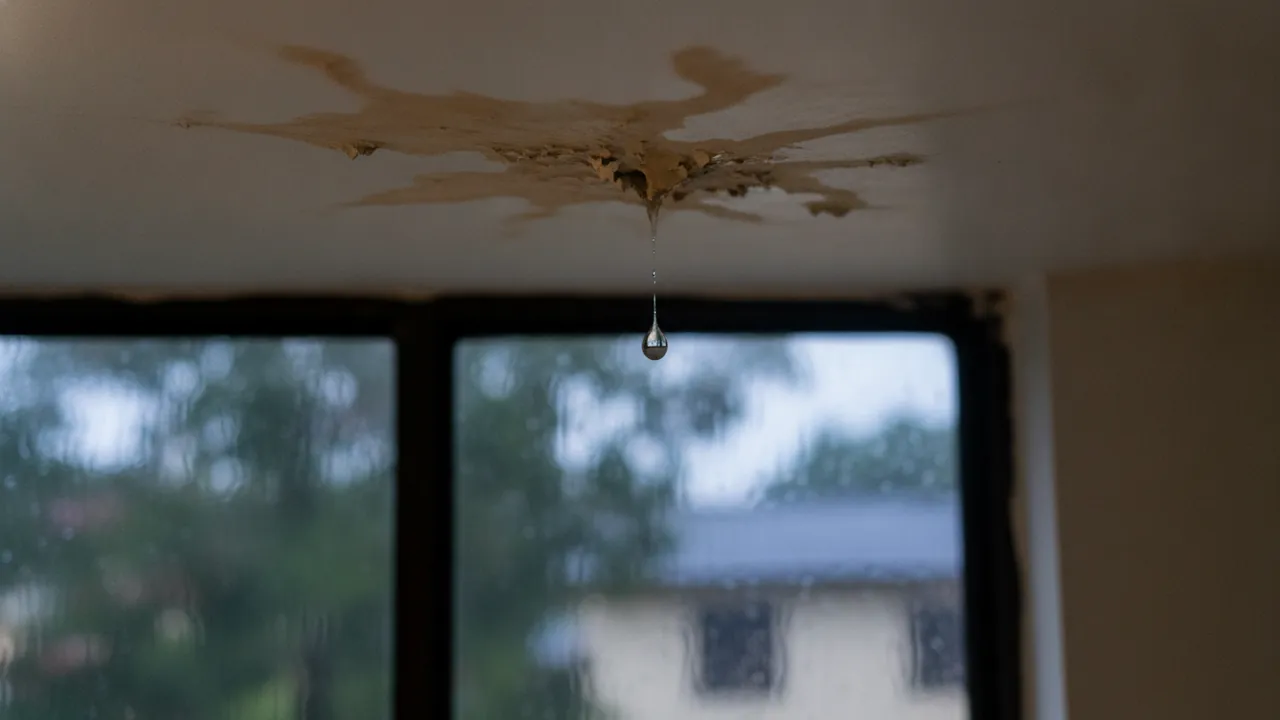
But a house that has been flooded is still full of water — inside the plaster, under the floor tiles, in the bottom of every cupboard and sofa. And from the moment the floodwater stops, a second clock starts: the one for mould.
What should you do first after a flood?
Make the house safe, then dry it as fast as you possibly can. Mould can start growing on wet materials within 24 to 48 hours, so the first three days decide whether you are drying a house or stripping it. US EPA flood guidance is clear on the order: protect yourself, remove what can’t be saved, clean, and dry thoroughly.
The floodwater does the obvious damage. The water it leaves inside the walls does the slow damage.
Is it safe to go back into a flooded house? (hour 0–12)
Only with the main power switched off, protective gloves, boots and a mask, and after checking for structural damage — and not before an electrician has checked the wiring.
- Keep the power off at the main switch while there is any standing water. Have a qualified electrician check wiring, sockets and the DB box before switching back on.
- Don’t use appliances that were under water — fridges, fans, pumps, dehumidifiers — until they have been checked.
- Wear gloves, boots and a mask. Floodwater carries sewage, chemicals and debris.
- Watch for structural damage: cracked walls, sagging ceilings, undermined floors.
- Follow official advice from the Disaster Management Centre and local authorities, especially about drinking water.
What should you throw away after a flood? (hour 12–24)
Anything porous that was soaked and can’t be cleaned and dried quickly should go:
- Mattresses, pillows and upholstered cushions
- Carpets and rugs (unless they can be professionally cleaned and dried fast)
- Particle-board furniture that has swollen
- Paper, cardboard and boxes
- Ceiling boards and plasterboard that got wet
Photograph everything for insurance before you throw it out.
How do you dry out a house after a flood? (hour 24–72)
- Shovel and wash out the mud, then clean hard surfaces with detergent and water.
- Open up hidden spaces: pull furniture from walls, open cupboard doors and drawers, lift any loose floor coverings.
- Move air across wet surfaces with fans.
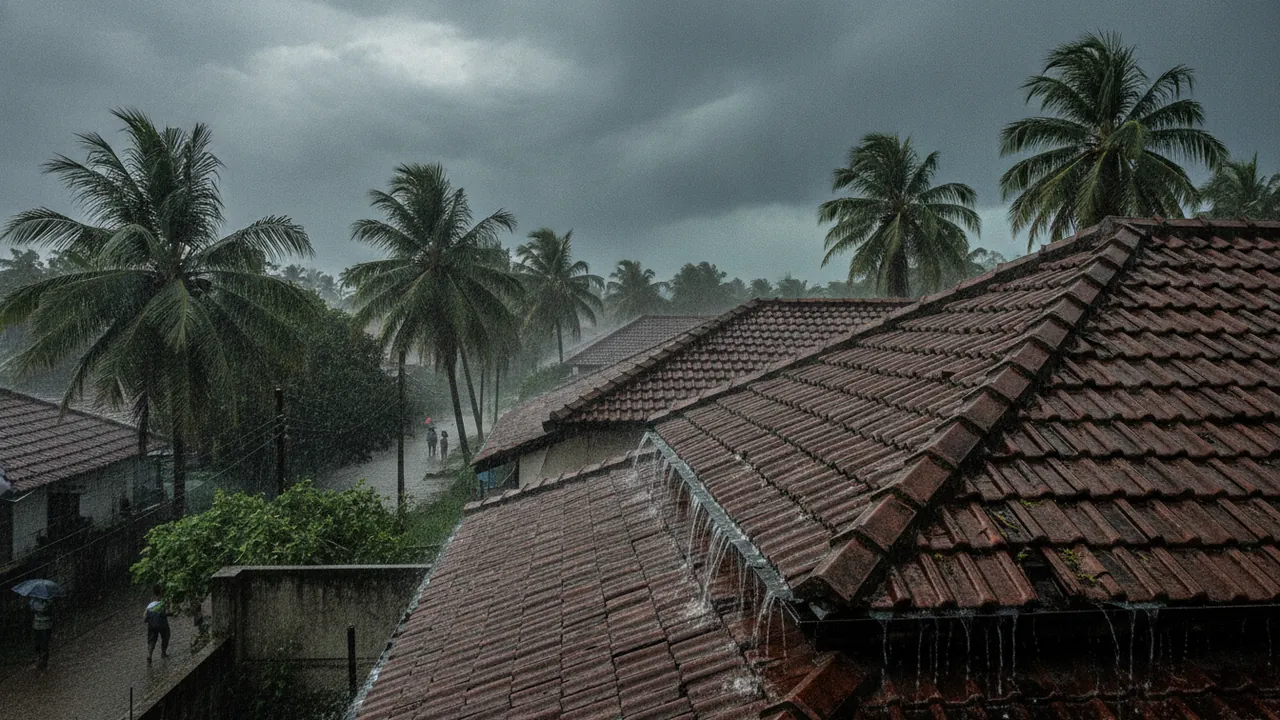
- Take the water out of the air. Here is the trap: if it is still raining, opening every window brings in air that is already 90% humid, and the walls barely dry. Close up one room at a time and run dehumidifiers so the moisture leaving the walls is removed instead of hanging in the air.
- Measure progress. A hygrometer in the room should fall steadily towards 50–60%. Walls feel cool and damp until they are truly dry.
The weeks after
- Don’t repaint or replaster too soon. Wait until walls are properly dry, or the paint will blister and mould will grow behind it. (What trapped moisture does to walls.)
- Watch for mould behind furniture, inside wardrobes and at the base of walls for at least a month. Clean small patches immediately; call professionals for large areas.
- Check metal: hinges, grilles and appliances that were wet will rust fast.
- Keep drying — especially if the next rains arrive before the house has recovered.
The IFRC (Red Cross and Red Crescent) points out that floods are among the most common disasters worldwide. In Sri Lanka they return with almost every monsoon. Read our monsoon survival guide to prepare the house before the next one.
The bottom line
After a flood, speed is everything. Make it safe, remove what can’t be saved, clean, then dry — properly, with the air closed off and dehumidifiers running. The faster the walls dry, the less the flood keeps costing you months later.
Questions readers ask
How long does it take for mould to grow after a flood?
Mould can begin to grow on wet building materials and furnishings within 24 to 48 hours. That is why US EPA guidance stresses drying water-damaged areas and items as quickly as possible, and removing porous items that cannot be dried and cleaned.
Should I open windows or use a dehumidifier after a flood?
Open windows help only when the outdoor air is drier than the air inside. During or just after monsoon rain it usually isn’t. Once the house is safe and the mud is out, closing a room and running dehumidifiers, with fans moving air across wet walls and floors, usually dries it much faster.
Is it safe to use electrical appliances after a flood?
Not until a qualified electrician has checked the wiring, sockets and any appliance that was in floodwater. Keep the main power off while there is standing water, and never use an appliance that was submerged until it has been inspected.
Sources
- US Environmental Protection Agency — Flooded Homes Cleanup Guidance
- US Environmental Protection Agency — A Brief Guide to Mold, Moisture and Your Home
- International Federation of Red Cross and Red Crescent Societies — Floods
- US Environmental Protection Agency — Mold Cleanup in Your Home
Guidance from these bodies is general; figures for Sri Lanka come from our own reporting and DRYAir’s field experience.
Published . Spotted an error? Tell the desk.